UK's Best Kids TV Production Companies
Finding your next creative production partner usually starts the same way. You have an idea, a broadcaster brief, a funded development package, or a brand that wants to move into children's content, and then the key question lands. Which studio can deliver the thing you need, at the quality level you need, without dragging the project into a pipeline mismatch? That choice matters more now because the field isn't one tidy category. Some UK kids TV production companies are traditional animation houses built for broadcast series. Some are IP specialists that know licensing, publishing and long-tail brand building. Others are tech-led studios that can take a children's property beyond television into games, apps, VR and spatial experiences. The UK remains a serious base for this work. Children's TV, animated TV and animated films in the UK can access a 39% film tax credit on qualifying expenditure, translating to 29.25% net after tax under AVEC, with the policy designed to support lower-budget productions and help studios sustain high-quality output, according to ICAEW's overview of film and TV tax support. That support is useful, but it doesn't remove the need to choose the right partner. This guide gets straight to the shortlist. The focus is practical fit: broadcast craft, franchise potential, technical range, and the commercial reality behind different studio models.
1. Studio Liddell
A familiar scenario in kids production is a brief that starts as a series and quickly expands. The broadcaster wants short-form socials. The client asks about an app. Someone raises live activation, XR, or a game tie-in before development is locked. Studio Liddell is built for that kind of project. Compared with a traditional animation house, Studio Liddell sits closer to the full-service tech end of the market. It combines 2D and 3D animation with XR, games, apps, design and IP development inside one studio setup. That changes the production equation. If the job includes both screen content and interactive build, keeping those disciplines together usually reduces handoffs and keeps the creative direction tighter.
Where Studio Liddell fits best
Studio Liddell makes the most sense when the brief needs both storytelling and technical execution. Its portfolio covers TV ads, multi-episode CGI, VR shorts, immersive installations and interactive experiences, with work for Sky Kids, BBC, Nelvana, Nat Geo/Disney, Merck, Manchester United and TT Games. A useful reference point is BooSnoo for Sky Kids. It shows children's IP work with broadcast relevance, not just polished brand content. For producers, that matters. The fewer external suppliers you need across animation, interactivity and design, the easier it is to keep schedules, approvals and character consistency under control.
Practical rule: Choose a studio like this when the project extends beyond episodes and into apps, games, XR or live experiences. For a straight series delivery, a more focused animation house may be the cleaner buy.
Strengths and trade-offs
Studio Liddell's advantage is breadth with genuine technical depth.
- •Wide production scope: Animation, XR, games, apps, IP and design are handled in one place.
- •Real-time capability: Unity and Unreal experience is useful when a property needs interactive outputs alongside linear content.
- •High-end creative range: Work such as Aurora suggests comfort with ambitious visual briefs, not only volume production.
The trade-off is fit. This model tends to suit premium, multi-platform commissions better than cost-driven projects that only need a simple animation pipeline. Pricing is quoted case by case, which is standard for bespoke studio work, but it usually signals a partner aimed at buyers who value flexibility, technical build and cross-platform continuity over the lowest possible production fee. For teams developing a children's property across broadcast, digital and experiential channels, Studio Liddell is one of the more strategically useful options in this list. It is less about buying a conventional cartoon pipeline and more about choosing a partner that can carry the property across formats without losing coherence.
2. Aardman Animations
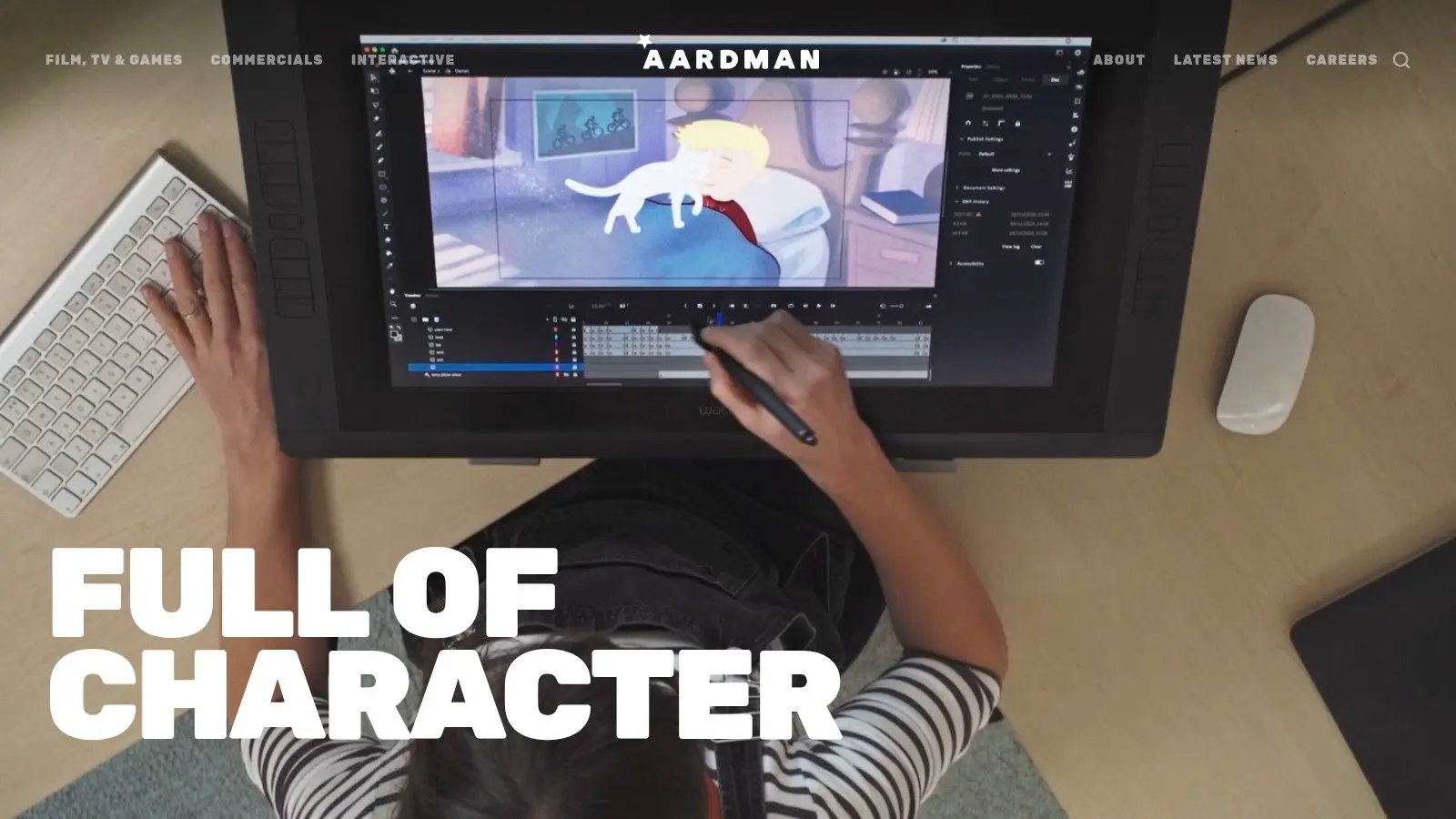
With Aardman Animations, you're buying craft, reputation and franchise stewardship. Few UK kids TV production companies have the same global recognition across family audiences, especially when a commissioner or rights holder wants a studio with immediate trust value. Aardman is the right conversation when the priority is premium execution and a property with long-term brand life. Shaun the Sheep and Morph aren't just successful shows. They represent a studio that understands how character identity carries across specials, series, commercial work and wider brand extension.
What it does well
Aardman's major advantage is range within a family entertainment framework. It can work across stop-motion and CG, and that's a meaningful distinction because not every studio with a strong CG pipeline can shift comfortably into highly tactile, personality-led craft.
- •Franchise handling: Strong with flagship IP and family brands that need careful protection.
- •Pipeline depth: Equipped for series, specials, commercials and adjacent formats.
- •Global appeal: Useful if you need an internationally legible aesthetic from the start.
Premium studios often make the most sense when the brief is high visibility and brand-sensitive. They make less sense when the project is still searching for its format.
The limitation is practical, not creative. Top-tier studios like Aardman usually run on long scheduling horizons, and buyers should expect premium pricing even when no public rate card is available. For early development work, pilot experimentation or rapid digital-first turnaround, that can be more studio than you need.
3. Blue Zoo Animation Studio
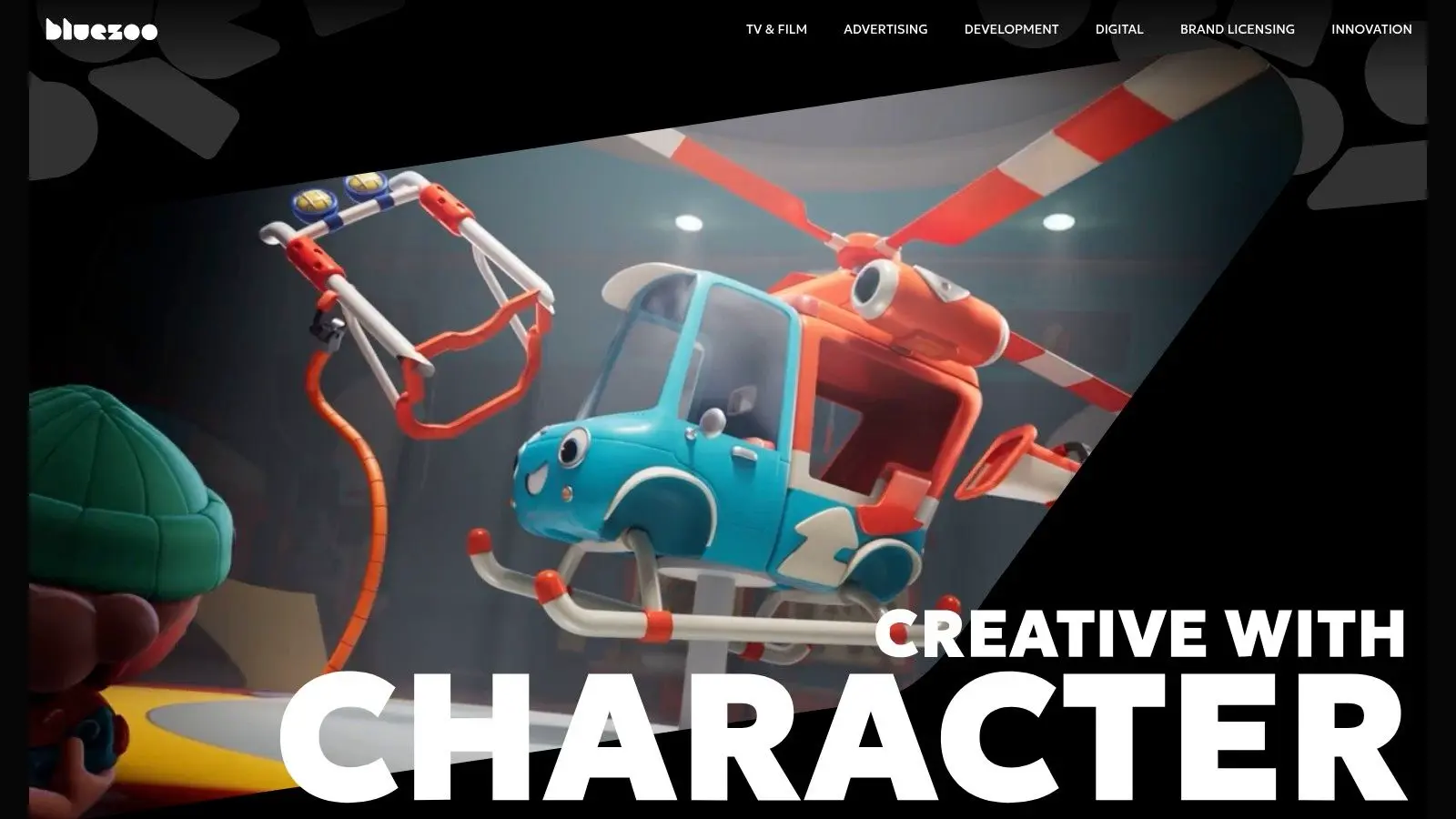
Blue Zoo Animation Studio is one of the clearest choices for buyers who want children's animation with broadcaster credibility and genuine franchise thinking built in. It has the kind of slate that commissioners recognise straight away, including Supertato and The Adventures of Paddington. What makes Blue Zoo commercially attractive is that it doesn't stop at production services. It also thinks in development, digital and brand licensing terms. That's useful if you're not just trying to get a series delivered, but trying to build something that can live beyond a single window.
Why buyers pick Blue Zoo
Blue Zoo is a strong fit for rights holders who want an animation-first partner that understands series production and IP extension. That combination isn't universal. Plenty of good studios can make episodes. Fewer can help shape what happens after transmission. If you're comparing animation partners and need a sharper due-diligence lens, Studio Liddell's buyer's guide to choosing an animation studio is worth reading alongside any Blue Zoo conversation.
- •Children's credentials: Strong history with major kids commissioners.
- •Extension potential: Better positioned than many studios to support licensing and digital growth.
- •Studio identity: Buyers know what they're getting. Kids and family animation is core, not side business.
The caution is straightforward. Blue Zoo is primarily an animation company. If your brief includes live action, major XR deployment, or a heavy technical product layer, you may need additional partners around it. That isn't a weakness. It just defines the lane.
4. Magic Light Pictures
Magic Light Pictures sits in a different category from a volume series producer. It has become closely associated with prestige book-to-screen animation, especially adaptations of Julia Donaldson and Axel Scheffler titles such as The Gruffalo and Zog. That specialism matters. If you control literary IP and want careful adaptation, strong family positioning and licensing know-how, Magic Light is one of the most natural fits in the UK market. It understands how to translate a beloved book into an event piece without flattening what made the source material work.
Best fit for literary and prestige family projects
Magic Light's strength is curation as much as production. It tends to suit projects where brand tone, publishing heritage and consumer product potential matter as much as episode count. For rights owners thinking beyond the screen, Studio Liddell's piece on extending children's brands across platforms is a useful companion read, because it frames the wider transmedia question that adapted properties now face.
A book adaptation lives or dies on restraint. If the partner pushes too hard for noise, pace or merchandising before the screen version earns trust, the whole property can drift off-brand.
The trade-off with Magic Light is format bias. It's often most compelling on high-end specials and prestige family projects rather than long-running, fast-turnaround multi-season series. If your brief is a large preschool pipeline with ongoing episode delivery, another studio may be a tighter operational fit.
5. Sixteen South
Sixteen South is one of the most credible co-production partners in the preschool and early-years space. Based in Belfast, it has built a strong reputation through originals and co-productions including Lily's Driftwood Bay, Odo and Claude. This is the kind of company I'd point producers toward when they need a partner that understands younger audiences, broadcaster relationships and international collaboration, but still feels agile rather than overly corporate. It has worked across animation and puppetry, which also gives it more tonal flexibility than some animation-only houses.
Why it works in co-pro
Sixteen South feels especially useful when a project needs multiple stakeholders aligned across territories. Its co-production history and rights experience give it a practical edge in those conversations.
- •Preschool instinct: Strong with tone, pacing and audience fit for younger viewers.
- •Partnership fluency: Comfortable working with broadcasters and international collaborators.
- •Rights awareness: Distribution thinking is part of the model, not an afterthought.
The limitation is audience range. If you're developing for older children, tween or YA, Sixteen South is less obviously the first call. It's at its best where warmth, character clarity and early-years sensibility drive the commission.
6. Tiger Aspect Kids & Family (Banijay Kids & Family)
Tiger Aspect Kids & Family is the option to consider when scale, financing structure and international rollout matter as much as the creative itself. Being part of Banijay changes the conversation. You're not only assessing one label's taste and development priorities. You're also buying access to a larger distribution and commercial network. That's attractive for IP owners who already know they want multi-territory potential. It's also useful when a project may need to combine animation and live action, or when a brand owner wants broader group capability wrapped around the core production.
The upside and the drag
The upside is reach. The group structure gives Tiger Aspect Kids & Family stronger influence in development partnerships, rights conversations and larger co-productions than many independents can offer. The drag is speed. Larger groups often move with more governance, more layers and more internal alignment. Boutique studios can usually pivot faster in development, especially on experimental properties or early creative reshaping. One wider industry reality is worth keeping in mind here. The UK children's sector has also been described by independent producers as under severe financial strain, with a “lack of money” and structural barriers making it harder for new independents to thrive, as discussed in The Children's Media Foundation's independent producer perspective. In that context, larger groups can look safer commercially, even if they're not always the nimblest creative partner.
7. A Productions
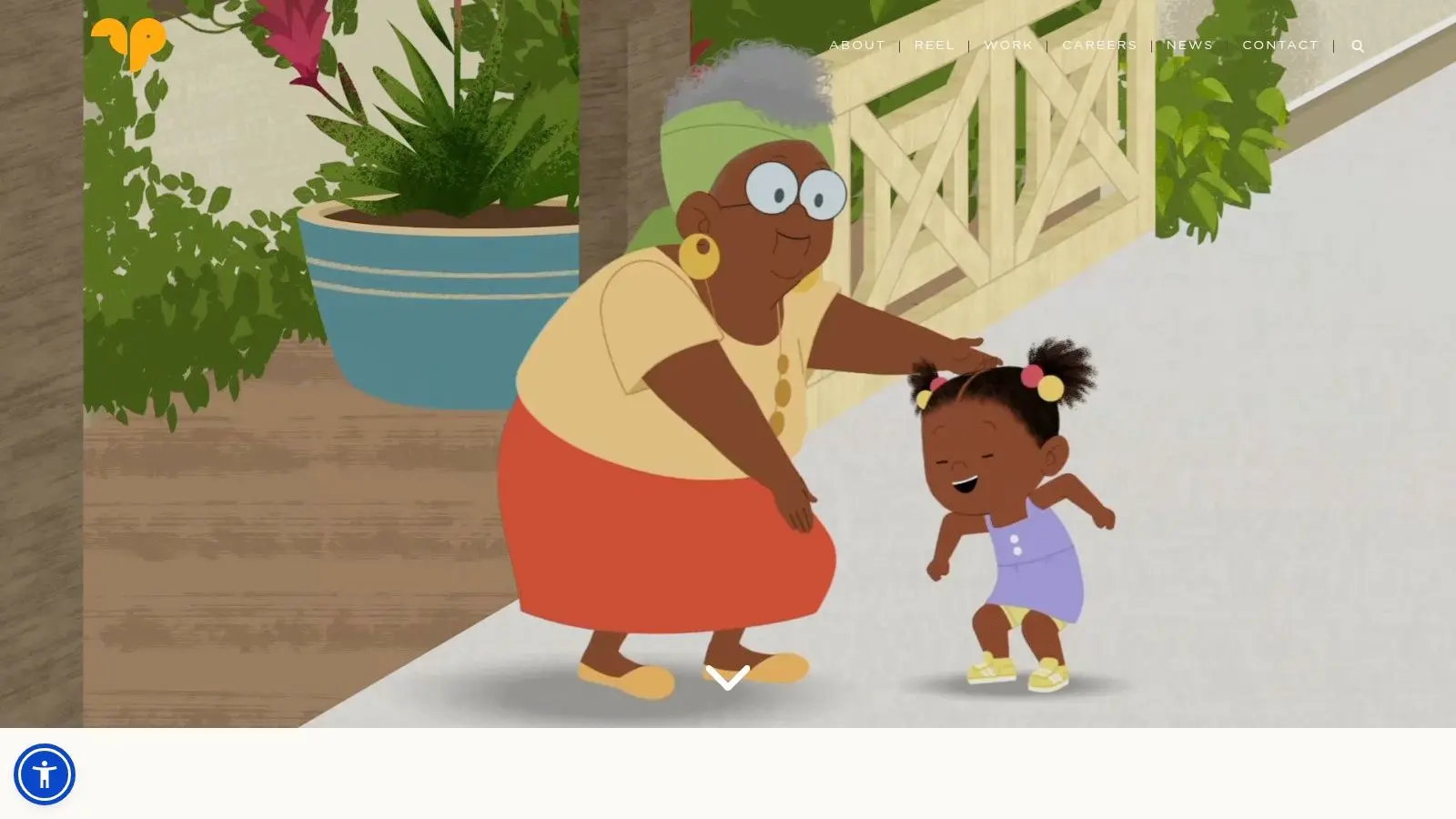
A Productions has the kind of long-established presence that buyers often underrate until delivery pressure arrives. When you need a studio that understands broadcaster expectations, recurring series workflow and realities of high-volume production, that experience matters. Its association with preschool titles such as JoJo & Gran Gran gives it a clear identity. This is a studio with strong roots in children's animation and relationships with UK commissioners, especially around CBeebies-facing work.
Where A Productions is strongest
A Productions makes sense for producers who need reliability inside a series pipeline. It isn't trying to be every kind of studio. That focus can be an advantage.
- •Series delivery experience: Useful for projects that need sustained production discipline.
- •Preschool credibility: Strong fit for younger-skewing commissions.
- •Broadcaster alignment: Knows how to work within UK public service expectations.
There's also a wider economic reason UK animation studios like this remain important. The UK's VFX sector, which includes animation and children's TV production, saw spending on VFX services rise from £239.8 million in 2016 to £363.5 million in 2019, a 51.6% increase, while every £1 of film tax relief generated £8.30 of value for the UK economy and each £1 of high-end TV relief returned £6.44, according to Animation UK's industry overview. That doesn't mean every project is easy to finance, but it does underline why experienced production infrastructure still matters. A Productions is less suited if your brief leans heavily into live action or advanced immersive technology. For straight children's animation production, though, it remains a dependable option.
Kids TV Production Companies, 7-Way Comparison
| Studio | Implementation Complexity 🔄 | Resource Requirements ⚡ | Expected Outcomes ⭐ / 📊 | Ideal Use Cases 💡 | Key Advantages |
|---|---|---|---|---|---|
| Studio Liddell | High, complex cross‑platform tech, XR & AI pipelines | High, specialist Unity/Unreal talent, XR hardware, AI tools, premium budget | Premium immersive 2D/3D, XR and interactive experiences; strong engagement and award potential ⭐📊 | XR installations, interactive museum experiences, games, multi‑platform IP | End‑to‑end creative + tech; AI‑enhanced pipelines; proven global clients |
| Aardman Animations | High, labour‑intensive stop‑motion and CG craft | High, skilled artisans, studio space, long production timelines | Iconic franchise quality with broad international appeal and awards ⭐📊 | Flagship family IP, premium specials, franchise development | Renowned IP (Shaun, Morph); top‑tier craft and global recognition |
| Blue Zoo Animation Studio | Medium, standard series pipelines with in‑house dev | Medium‑High, full production teams, licensing & digital divisions | Reliable TV series delivery and scalable IP with licensing upside ⭐📊 | Broadcaster series, IP extension into games/YouTube/licensing | End‑to‑end TV production; brand licensing; B Corp credibility |
| Magic Light Pictures | Medium, focused book‑to‑screen specials production | Medium, literary rights management, high production values | High‑quality prestige specials and strong consumer product revenue ⭐📊 | Book adaptations, holiday/one‑off family specials, licensing-driven projects | Literary‑IP expertise; strong licensing & brand management |
| Sixteen South | Medium, agile co‑production workflows, puppetry & animation | Medium, co‑production partnerships, rights/distribution support | Effective preschool/early‑years series with international reach ⭐📊 | Preschool originals and co‑productions, incentive‑led UK/Northern Ireland projects | Agile co‑producer; strong broadcaster partnerships and distribution arm |
| Tiger Aspect Kids & Family (Banijay) | Medium, corporate development and multi‑format pipelines | High, access to Banijay financing, global distribution, large‑scale resources | Scalable multi‑territory roll‑out and commercialisation of IP ⭐📊 | IP owners seeking global scale, large co‑productions, live‑action + animation | Global reach, financing & catalogue leverage via Banijay group |
| A Productions | Medium, established series production pipelines | Medium, experienced teams, strong BBC/CBeebies relationships | Consistent preschool series delivery and broadcaster alignment ⭐📊 | UK‑focused preschool series, culturally authentic children's content | Longstanding commissioner relationships; proven high‑volume delivery
How to Choose the Right Production Company
A common mistake happens at the brief stage. A team commissions a studio with an award-winning reel, then discovers halfway through development that the company is built for prestige shorts, not 52-episode delivery, or for broadcast animation, not apps, games, and interactive extensions. The expensive part is not just the mismatch. It is the reset. Choose the company by the job it needs to do, the rights it needs to support, and the commercial plan behind it. Start with the end use. A broadcast series needs a partner with proven pipeline management, showrunning support, schedule control, and a clear process for broadcaster feedback. A transmedia property needs something different. It may need design, animation, game development, interactive production, and franchise thinking under one roof, or at least under one accountable lead. Traditional animation houses, full-service technology studios, and IP-led producers solve different problems. Treating them as interchangeable usually creates delays, extra handoffs, and avoidable cost. Budget discussions should happen early and in practical terms. Public rate cards are rare, but broad animation pricing still shows how quickly costs rise when you add style complexity, more characters, or 3D production. Stormy Studio outlines that range clearly in its UK animation cost guide. It is not a children's TV quote, but it is a useful reminder that visual ambition has direct production consequences. Ask every shortlisted studio the same questions. What will you make in-house? What will be outsourced? Where does your process usually slow down? Those answers tell you more than a showreel. It also helps to separate three company types. An animation house is usually strongest on craft execution and series production. An IP specialist is often better at rights management, brand stewardship, and long-tail licensing value. A creative technology studio can be the better fit when the brief includes games, apps, XR, or digital audience touchpoints alongside screen content. Animation UK's industry directory reflects how mixed that ecosystem has become, with companies operating across production, rights, and interactive work. Good selection comes down to fit under pressure. Review the portfolio, then test the operating model. Check who will run the project, how notes are handled, how rights are managed, and whether the company's strongest work matches your audience and delivery route. A preschool series for UK broadcasters, a book-based holiday special, and a franchise-first kids IP can all be strong ideas. They rarely need the same production partner. If your brief includes children's IP that may extend into games, apps, XR, or wider franchise development, Studio Liddell is one of the studios to assess against that requirement, as noted earlier. A scoping call should clarify pipeline ownership, creative fit, and whether its model suits the production path you need.