The 10 Best Tourism Apps for Your UK Adventure
You're probably doing what most travellers do before a UK trip. You've got too many tabs open, half-saved bookings, a rail route you're not fully sure about, and a vague plan to “sort the rest on the phone later”. That instinct is right. Travel planning has become decisively mobile-first, and the strongest evidence for why these tools matter is simple: the global travel app market generated $629 billion in revenue in the previous year, up 13% year on year, with booking, maps, and navigation still leading usage rather than novelty features, according to Business of Apps' travel app market roundup. That matters in the UK because the trip itself is built around the same high-frequency tasks. You book accommodation, compare transport, get around cities, translate signage or menus, and keep tickets on your phone. If you want a broader traveller-first roundup alongside this more strategic view, MyPerfectStay's top travel planning apps is a useful companion read. What follows isn't a generic “download these and hope” list. These are the best tourism apps for a UK adventure if you care about what gets used on the ground, and what those patterns mean for tourism brands building better digital visitor experiences.
1. GetYourGuide
A visitor lands in London on a Friday night, realises Saturday is still half empty, and wants bookable options by breakfast. GetYourGuide is built for that moment. It reduces decision time. Search, compare, book, store the ticket, and move on.
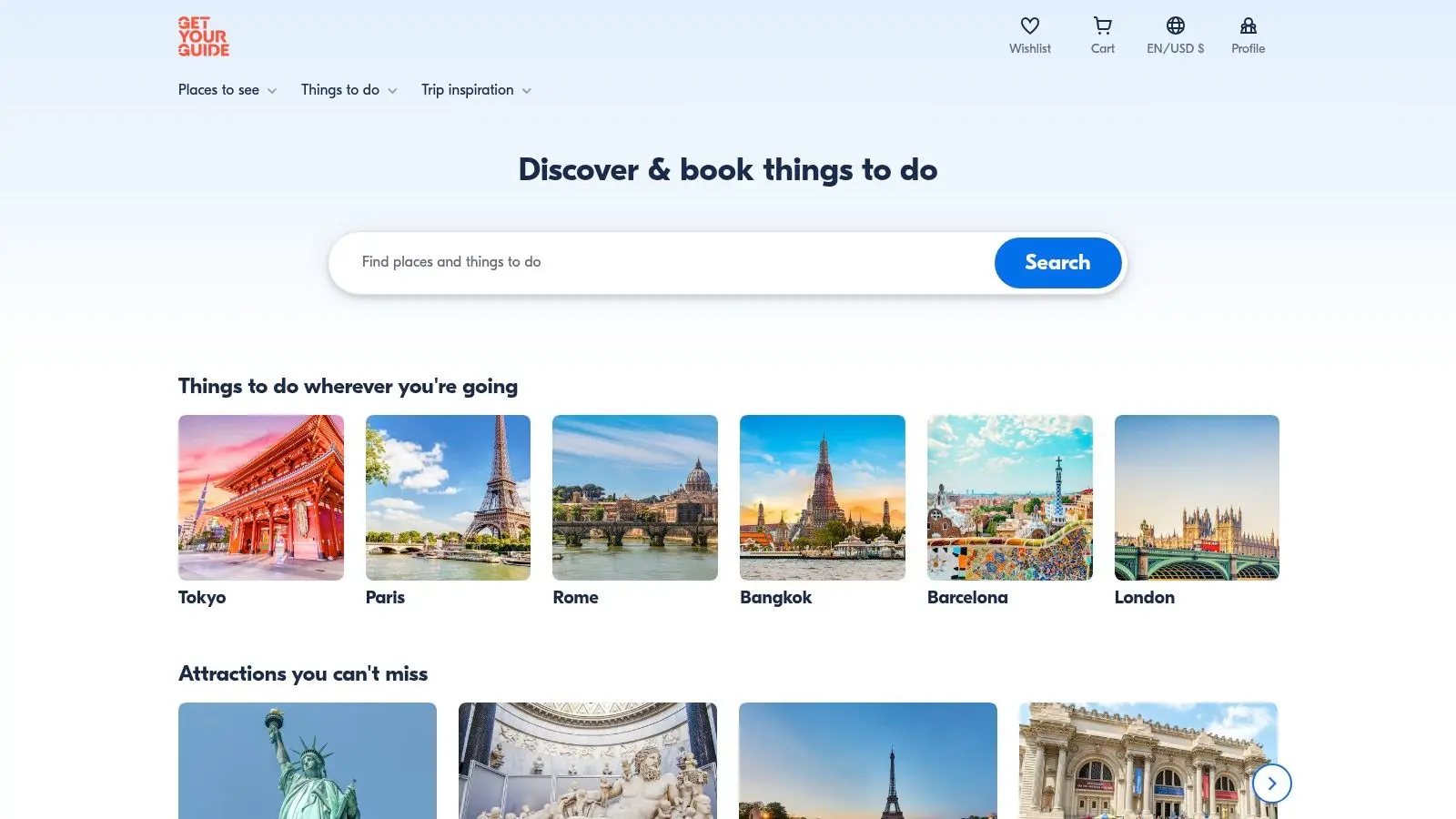
Its value in the UK is breadth. London, Edinburgh, Bath, Liverpool, and York all have enough supply on the platform to make it useful for short breaks, especially when travellers are mixing major attractions with tours, day trips, river cruises, or sports experiences. The app handles a common visitor job well. It turns loose intent into a confirmed plan without forcing users through multiple operator sites.
Where it works well
- •Rapid booking: Mobile tickets and in-app reservation management suit travellers whose plans are still shifting on the day.
- •Range: One account can cover attractions, guided tours, and add-on experiences across several cities.
- •Decision support: Reviews and user photos help users judge whether a listing is of high quality or just marketed well.
There is a clear trade-off. Marketplaces are strong discovery tools, but they sit between the visitor and the venue. Prices can differ from direct channels, branding belongs to the platform, and refund terms vary by operator. For travellers, the practical move is simple: shortlist in GetYourGuide, then compare against the official site before paying. For tourism brands, that same trade-off creates a strategic question. If a third-party app is where discovery and conversion happen, the official app often gets pushed into a passive role: useful for information, weak at revenue. That is a missed product opportunity. The stronger model is to treat apps like GetYourGuide as distribution, not the full digital experience. A heritage site, museum group, or destination brand can use marketplace demand to capture first-time visitors, then build its own mobile product around what marketplaces do not offer well: branded storytelling, location-aware interpretation, member benefits, cross-site passes, and post-visit engagement. That is where bespoke AR layers, guided audio tied to specific rooms or viewpoints, and white-label ticketing journeys start to matter commercially, not just creatively. GetYourGuide shows the benchmark clearly. Travellers will keep the app that saves time and closes the booking. Tourism brands that want similar repeat use need to combine utility with owned experience.
2. Tiqets
Tiqets is narrower than GetYourGuide, and that's why it works. It focuses on museum and attraction tickets rather than trying to be your entire travel stack. If your UK trip is built around exhibitions, galleries, historic houses, and landmark entry, that focus is useful. The app is strongest when you're booking late. You choose a venue, grab a timed ticket, store it on your phone, and head straight to entry. That's a very specific job, but it's a job travellers need done well.
Best use case
Tiqets is a strong fit for:
- •Museum-heavy city breaks: London is the obvious example, but it also suits Oxford, Edinburgh, and other culture-led itineraries.
- •Timed-entry planning: It's handy when your whole day depends on getting the slot you want.
- •Low-friction access: Digital ticket delivery reduces the mess of email attachments and PDFs.
Where it falls short is strategic depth. It's a transaction app, not a destination experience app. It helps users get in, but it doesn't do much to deepen the story around the place they're visiting. That gap is important for attractions. A museum can sell through platforms like Tiqets, but it shouldn't stop there. The bigger opportunity is pairing ticketing with location-aware storytelling, wayfinding, and post-entry content. That could mean AR object interpretation, multilingual trails, or app-triggered media in specific rooms. The lesson isn't that third-party ticketing is bad. It's that it's only one layer of the visitor journey.
3. Trainline
If your trip includes more than one UK city, Trainline is usually the first app people reach for. That makes sense. Rail in Britain is useful, fast in the right corridors, and occasionally confusing enough that visitors want a single interface for search, booking, ticket storage, and disruption updates.
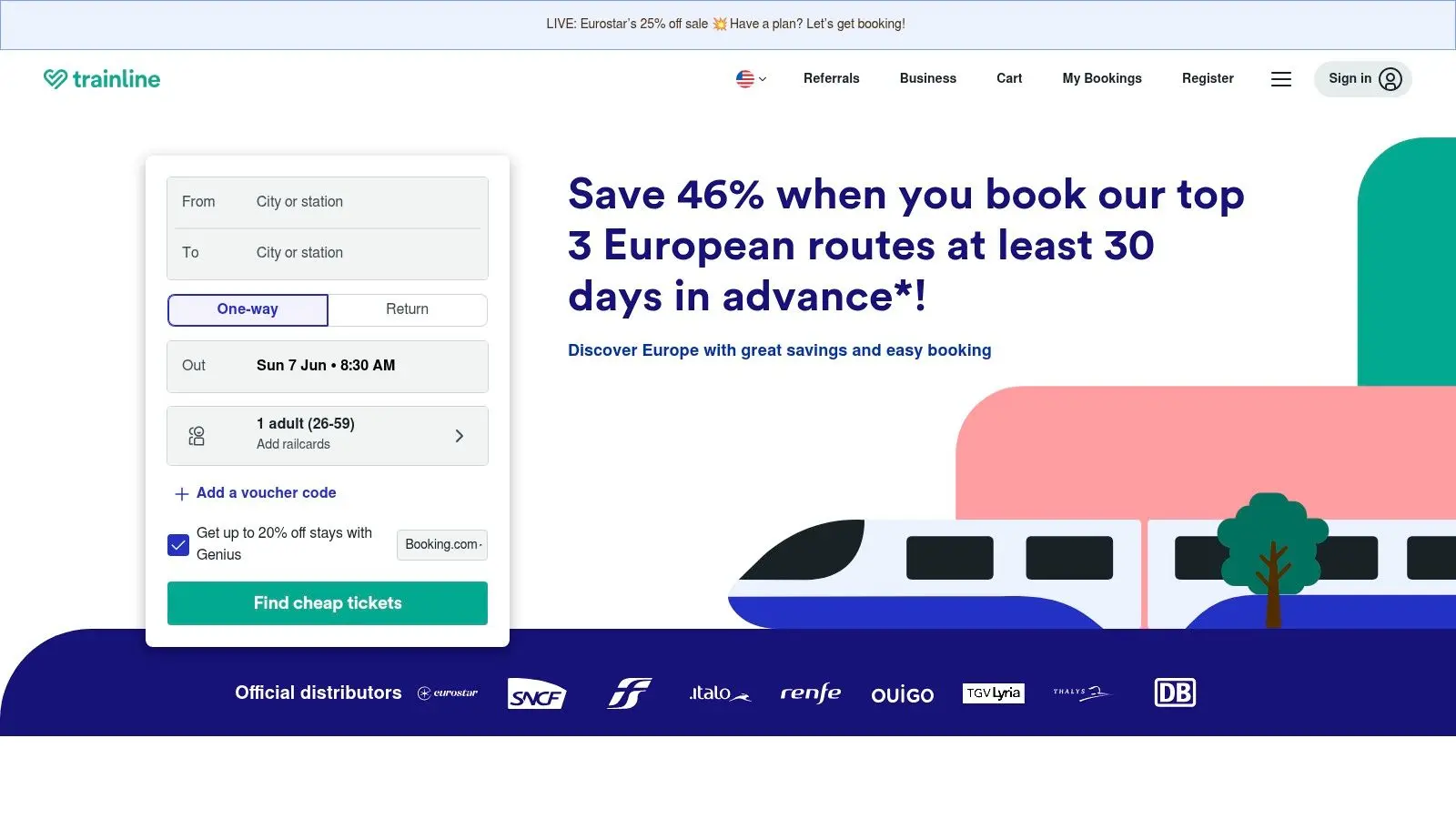
Its strengths are practical rather than glamorous. Split-ticketing tools, railcard support, fare alerts, and mobile tickets all save time. For tourists heading between London, Manchester, Edinburgh, York, Bristol, or Cambridge, that's enough to make it one of the best tourism apps in the UK market.
What to watch
- •Useful savings tools: Price prediction and split fares can help on longer journeys.
- •Strong journey management: Platform changes and disruption alerts are more valuable than most travellers realise.
- •One-account convenience: Keeping multiple legs of a trip in one app reduces friction.
Booking fees are the obvious downside. Sometimes that trade-off is acceptable because the app is easier to use than fragmented operator sites. Sometimes it isn't. Compare before purchase. If you're curious why some travel apps win habitual use while others get deleted, Studio Liddell's guide to designing a mobile app that wins users gets to the heart of it. The winning pattern is persistence. Search state, saved plans, ticket access, and live updates need to survive patchy signal and hurried decision-making.
Rail apps don't fail because they lack features. They fail when the traveller can't recover their journey in three taps.
For route inspiration beyond the UK, I also like practical examples that show how travellers think through rail journeys, such as this guide to navigate the Sapa train experience. The context is different, but the planning logic is familiar.
4. Citymapper
You're standing outside a station in an unfamiliar part of London, your timed entry starts in 20 minutes, and the route that looked obvious on the map turns out to involve stairs, a platform change, and a bus that only comes every so often. Citymapper is built for that moment. It reduces urban transport decisions to the few details that matter now. Time, route complexity, live disruption, and whether walking is the better option.
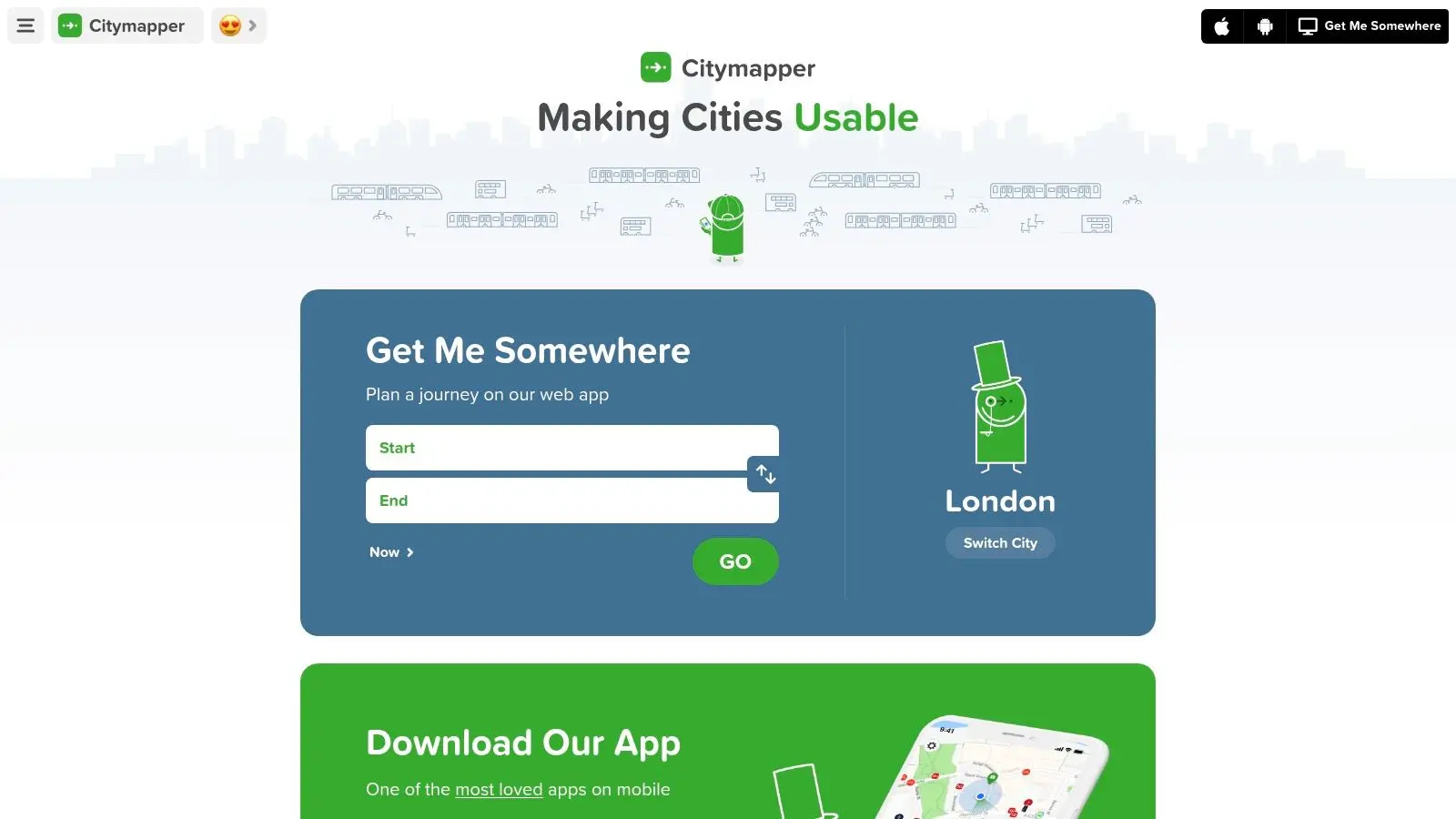
That clarity is why it stays useful for visitors. In dense cities, it handles a messy mix of Tube, rail, bus, walking, and cycle routes better than many official transport apps, especially when the visitor does not know local interchanges or station layouts. It is less about discovery in the leisure sense and more about reducing hesitation between places people have already decided to visit. The limitation matters. Citymapper is strongest in big urban networks with reliable live transport data. Its value drops in rural areas, in smaller destinations, or in situations where mobile signal is patchy and service data is thinner. Premium features can be worth paying for in a city you use often, but for many tourists the free version covers the core need.
- •Best at: Real-time multimodal routing in major cities
- •Less useful for: Rural journeys, smaller towns, and weaker data environments
- •Worth paying for: Frequent urban travel, not one-off sightseeing for every visitor
For tourism brands, the more interesting lesson is platform logic. Citymapper shows how visitors respond to context-aware mobility tools, not static directories. A destination app that borrows that model could combine wayfinding with venue entry times, step-free routing, crowd-aware prompts, and location-based interpretation. That creates a credible white-label opportunity. City districts, heritage quarters, and campus-style attractions could add AR route guidance, branded overlays, and timed prompts for nearby exhibitions, food stops, or public realm stories. Done well, that turns transport utility into part of the visitor experience, and into a stronger digital product than a map with pins.
5. National Trust UK app
A family is in the car park, one child wants lunch, another needs a toilet, and the adults are trying to work out whether the house, gardens, and play area will all fit into the afternoon. That is the moment the National Trust app earns its place. It answers practical on-site questions fast, which is exactly what an official heritage app should do.
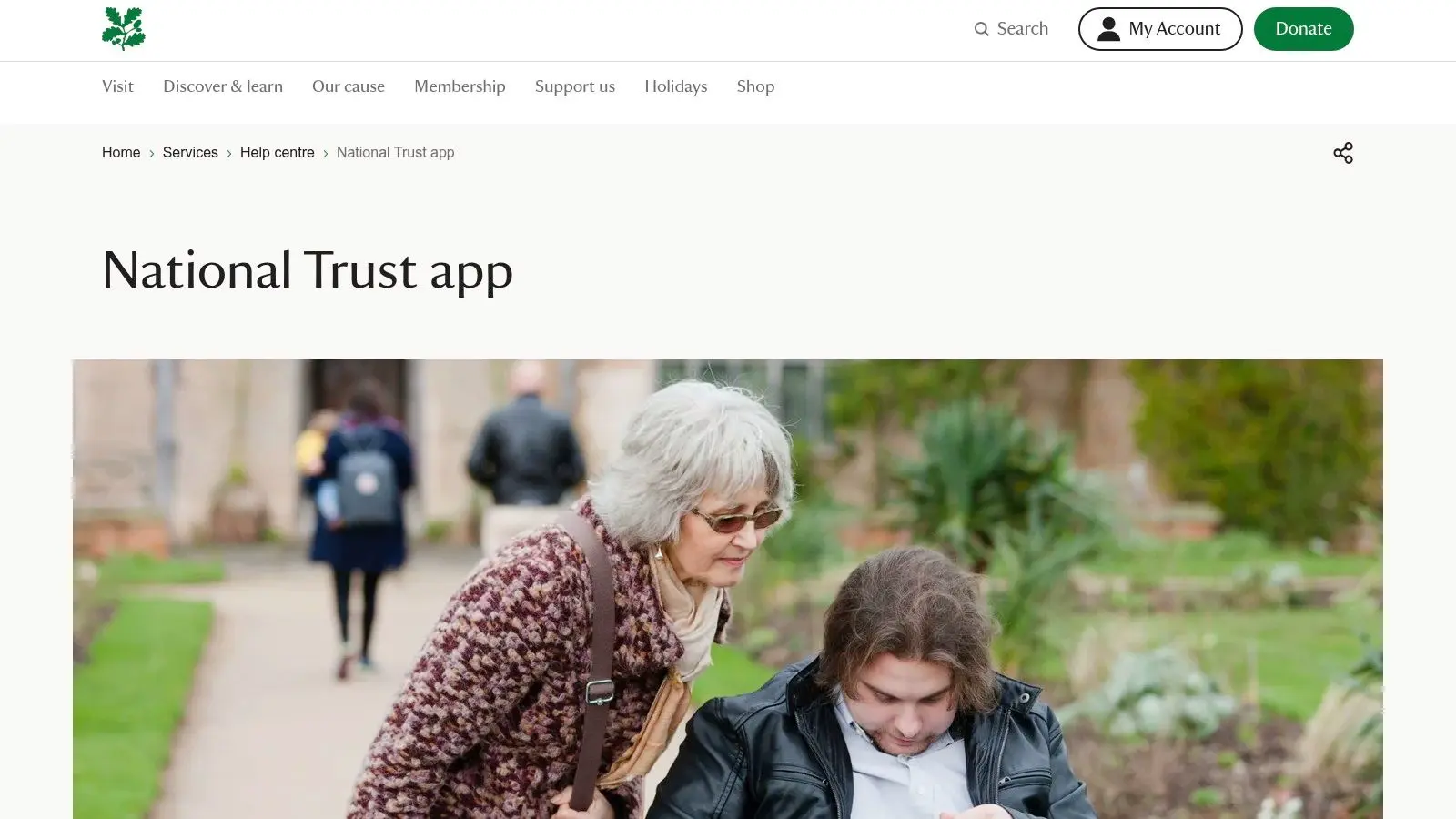
Its value is operational as much as editorial. Users can find places, check opening times, review facilities, and plan days out across England, Wales, and Northern Ireland without jumping between search results, map listings, and outdated blog posts. For a large estate-based organisation, that consistency matters. It reduces uncertainty before arrival and cuts avoidable friction once visitors are on site.
Strong utility, clear room to grow
The app works well for:
- •Family day planning: Parking, food, accessibility and events shape real decisions.
- •Multi-site discovery: Users can compare nearby properties and build a day around what is open.
- •Trusted visitor information: Official details carry more weight than third-party summaries, especially for seasonal access or conservation-related closures.
The trade-off is familiar. Many official tourism apps are strong on information management but weaker on product experience. If membership cards, ticketing, wayfinding, and interpretation are handled elsewhere, the app stays useful but stops short of becoming a true visitor platform. That gap creates a serious opportunity for tourism brands. A white-label version of this model could combine member wallet functionality, in-app entry, location-aware storytelling, and AR layers for gardens, ruins, viewpoints, or lost interiors. Work such as Studio Liddell's Radar Museum Bawdsey visitor guide and XR experiences points to where this goes next. The winning version is not a bigger directory. It is a better on-site product that supports operations, adds interpretive depth, and gives heritage organisations a digital service they can extend across multiple properties.
6. English Heritage Blue Plaques app London
The English Heritage Blue Plaques app is more niche than the National Trust app, but in London it's one of the most satisfying examples of a self-guided cultural product. It helps users explore the capital through blue plaques linked to historic figures, homes, and stories.
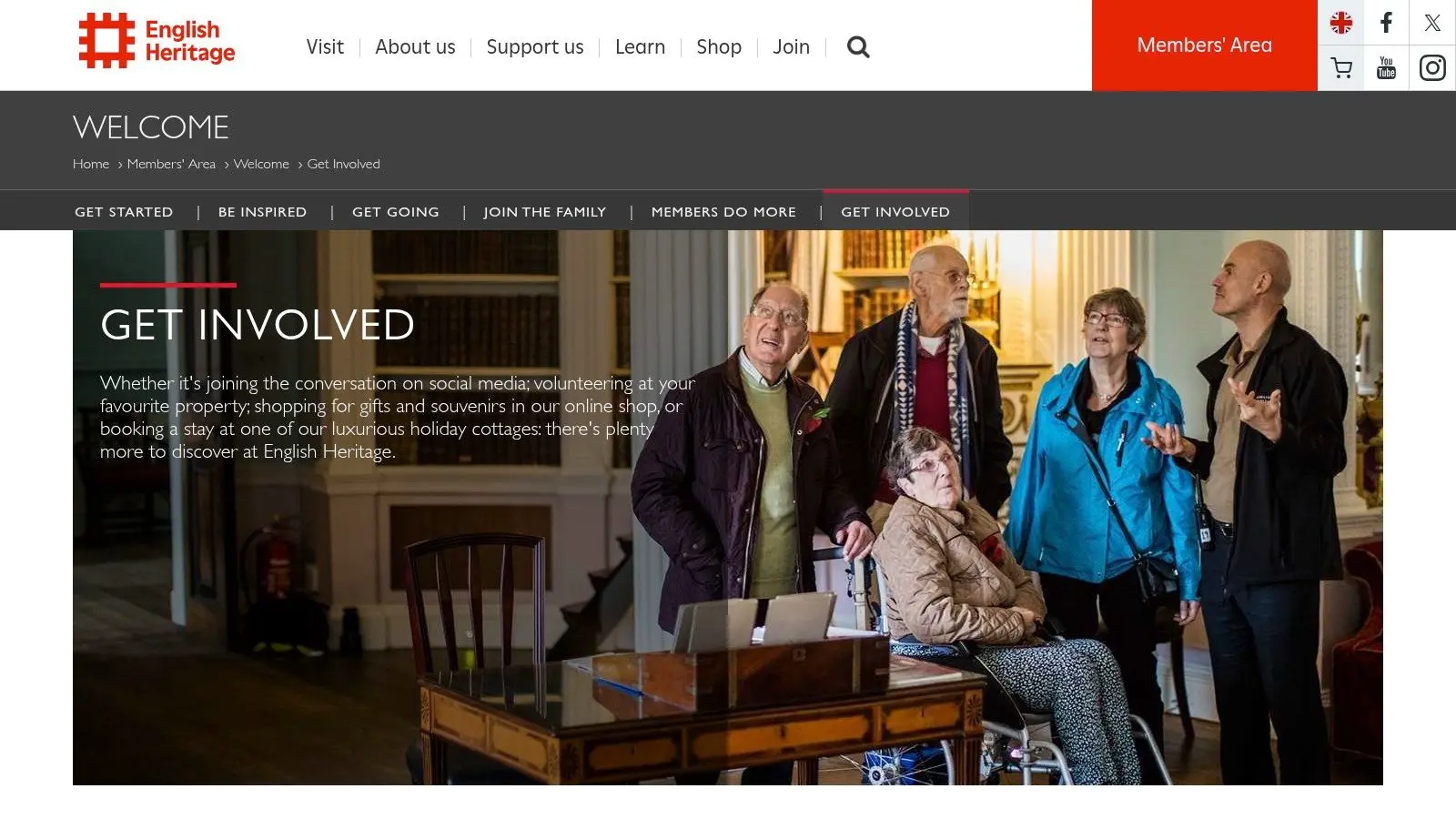
This is not a broad planning app. It does one thing well. It turns the city into a walkable archive. For visitors who like thematic exploration more than queue-based tourism, that's a strong proposition.
A better model for cultural walking
What makes it work:
- •Map-led discovery: You can wander with intent rather than follow a rigid commercial tour.
- •Curated themes: Politics, music, science, literature and other lenses give structure to a day.
- •Authoritative content: Official cultural interpretation beats scraped summaries.
Its weakness is scale. It's London-specific, and the experience remains mostly screen-and-map based. The next step is spatial storytelling. A plaque trail becomes much more memorable when you can point your phone at a building and see layered history, archival media, or route prompts in context. Studio Liddell's work on the Radar Museum Bawdsey visitor guide and XR experiences shows the kind of direction heritage apps can take when they move beyond static interpretation. That matters for organisations with rich archives but limited physical exhibition space.
Cultural tourism apps work best when they reward walking with context, not just coordinates.
7. Historic Scotland app
The Historic Environment Scotland membership and app information points to an app model that's useful for travellers exploring Scottish castles, abbeys, prehistoric sites, and member access. If your itinerary includes a lot of official sites, this kind of app earns its place.
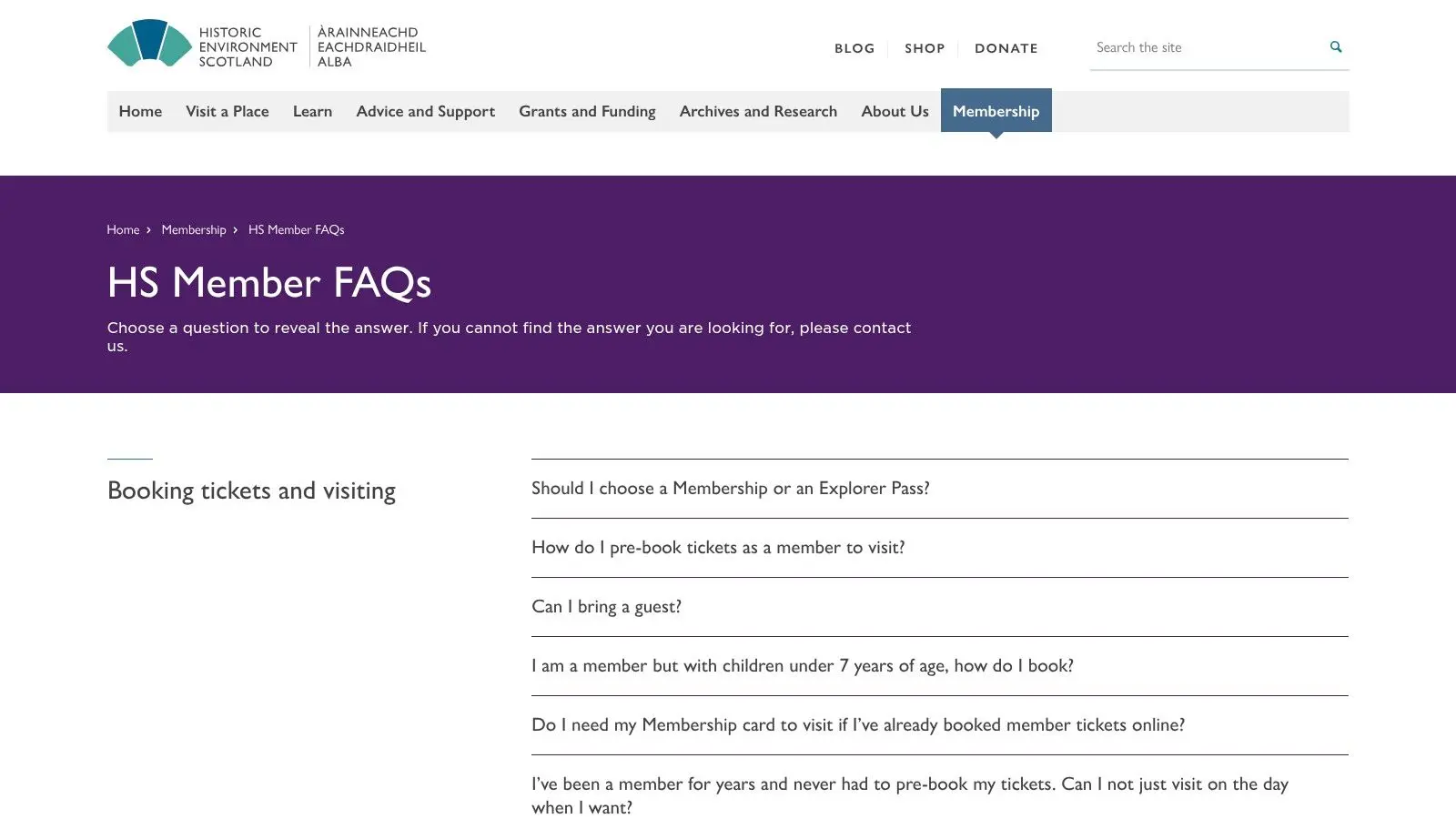
The practical value is straightforward. Official site details, events, maps, and membership handling reduce uncertainty before you arrive. That's especially useful in Scotland, where site spread and weather can quickly alter a day's plan.
Best for heritage-focused touring
This app style helps when you need:
- •Regional search: Finding nearby sites while road-tripping or building a day route
- •Official ticket and opening info: Better than relying on outdated travel blogs
- •Membership utility: Digital card support can make entry smoother where available
The trade-off is polish versus purpose. Some heritage apps feel slightly behind consumer travel apps in interface and update rhythm, but they often carry the most accurate operational information. That's usually the better bargain. For tourism organisations, there's a clear product lesson here. The operational layer matters just as much as the storytelling layer. A beautiful immersive app that can't handle basic member access, route logic, or live site information won't hold up in real use. Build the service core first, then enrich it with media, AR, and personalised trails.
8. Rome2Rio
Rome2Rio is the app to open before you know what to book. It's not the final booking layer for every journey, but it's one of the fastest ways to answer a travel question that comes up constantly: how do I get from here to there? That sounds simple until your route includes airport transfers, cross-border rail, ferries, coaches, or a destination that's easy in theory and awkward in practice. Rome2Rio maps the options clearly enough that you can decide what deserves a direct booking elsewhere.
Why planners keep using it
Its value comes from sequence, not ownership. Rome2Rio sits early in the decision chain, where uncertainty is highest.
- •Door-to-door logic: It compares flights, trains, buses, ferries, and driving in one view.
- •Good for complex trips: Especially useful when a UK trip extends into Ireland or mainland Europe.
- •Booking handoff: It points you toward operators or OTAs once you know the viable route.
The caution is obvious. Prices are indicative, and the final transaction often happens somewhere else. Treat it as route intelligence, not absolute fare truth. This is also where tourism brands could be more ambitious. A destination app that understands inbound travel context becomes more useful before the visitor even arrives. Imagine a regional tourism app that doesn't just list attractions but shows realistic onward journeys from major airports, stations, and hubs. That moves the app from brochure territory into actual trip infrastructure.
9. Visit A City
A visitor lands in Edinburgh on Friday evening, opens three blog tabs, saves six attractions, then realises none of them have been arranged into a day that works on foot. Visit A City solves that planning gap well. It gives travellers a usable schedule quickly, which is often more valuable than giving them more options.
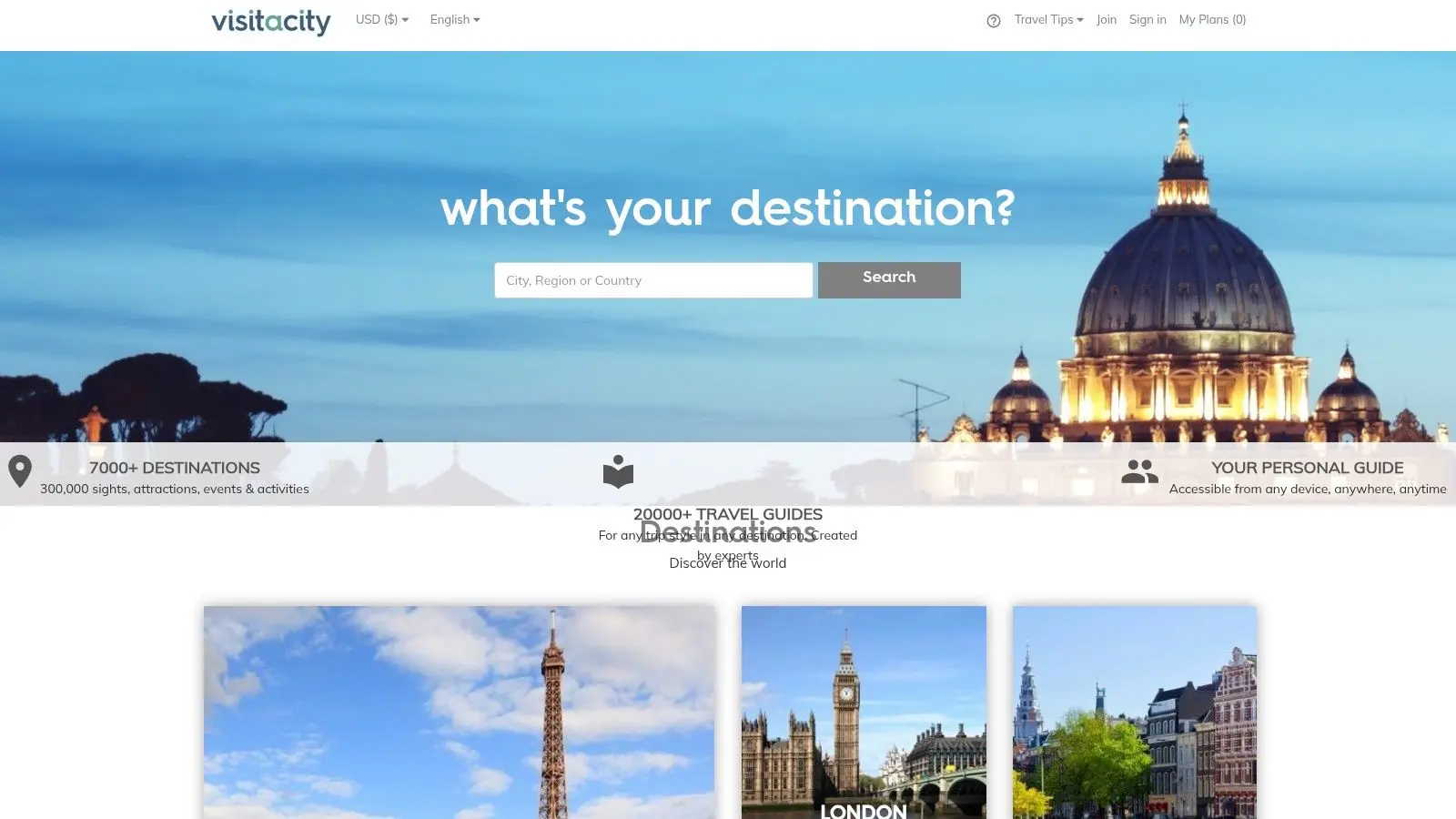
Its strength is itinerary structure. The app turns attractions into a timed day plan, then lets users adjust the order without rebuilding the whole trip from scratch. For short city breaks in London, Edinburgh, or Bath, that is a practical advantage because poor sequencing wastes more time than a weak attraction shortlist.
Where it works best
- •Prebuilt itineraries: Good for travellers who want a starting point, not a blank screen
- •Editable schedules: Useful when opening hours, weather, or energy levels change
- •Offline access: Helpful during a day out when signal drops or roaming is limited
The limits matter too. Coverage and quality vary by destination, and some itineraries still feel generic once you move beyond major tourist routes. That makes Visit A City helpful for planning, but less persuasive as a destination storytelling product. That gap creates an opportunity for tourism brands. A city or heritage organisation could use this itinerary model as the base layer, then add branded AR wayfinding, themed walking routes, or VR previews inside a white-label app experience. A museum district, for example, could turn a standard day plan into a guided cultural journey with location-aware interpretation and timed ticket prompts. The commercial upside is clear. Better itinerary tools keep visitors in the brand's own ecosystem for longer, increase partner visibility, and create more moments to surface upgrades or bundled passes. There is also room to connect planning with transport value. If a user is building a rail-based UK city break, practical fare context can strengthen the experience. Split My Fare's London to Edinburgh page is one example of the kind of supporting tool that helps travellers understand route costs before they lock in a schedule.
10. National Rail Enquiries
For live rail information in Great Britain, National Rail Enquiries is the app I'd trust over almost anything else. It isn't the prettiest, and it doesn't handle ticketing, but that's not the point. When trains are delayed, platforms change, or service plans unravel, accurate network information matters more than a polished interface.
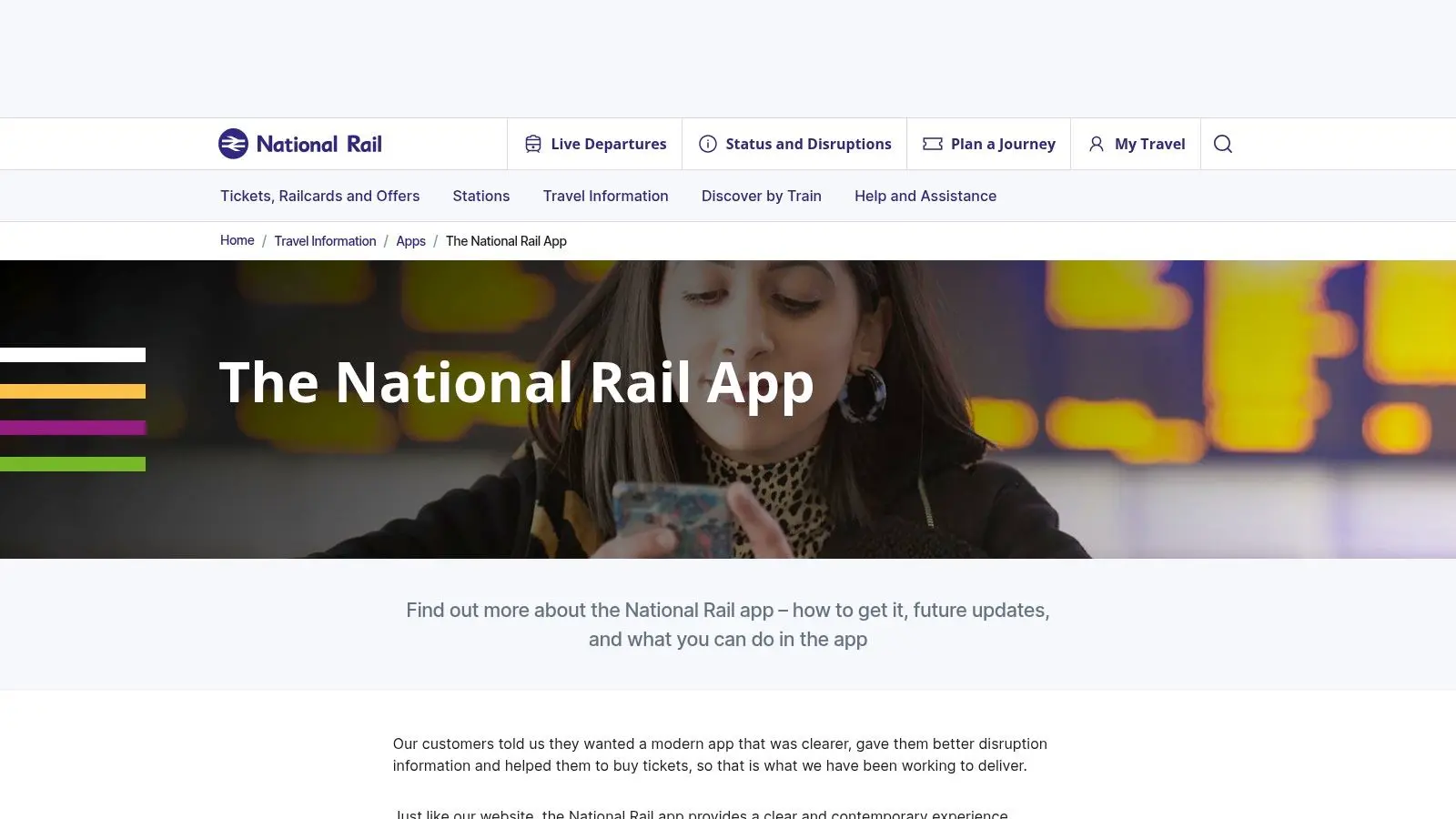
This is the companion app to something like Trainline, not a replacement. Book where you prefer. Verify the journey here when conditions get messy.
Why official data still matters
National Rail Enquiries is best for:
- •Live departures and arrivals: Particularly when station boards are crowded or confusing
- •Platform changes: Useful on tight interchanges
- •Disruption days: You want the source that other tools often rely on
The downside is obvious. It won't sell your ticket, and some users won't love the interface. But tourists don't need elegance when they're standing on a platform with minutes to spare. They need clarity. If you're pricing routes and comparing fare tactics, external tools can still help. For example, Split My Fare's London to Edinburgh page shows the kind of journey-specific thinking travellers use when trying to reduce rail costs. But once the trip is in motion, National Rail Enquiries is the reality check.
The best tourism apps aren't always the most delightful. Sometimes they're the ones that answer the urgent question correctly.
Top 10 Tourism Apps: Feature Comparison
| App | Core features | UX/Quality (★) | Value/Price (💰) | Target audience (👥) | Unique selling point (✨/🏆) |
|---|---|---|---|---|---|
| GetYourGuide | Marketplace for tours & tickets; mobile skip‑the‑line; verified reviews | ★★★★ | 💰 Free app; operator prices vary (sometimes higher) | 👥 Tourists seeking curated experiences | ✨ Large UK inventory & instant mobile vouchers |
| Tiqets | Museum & attraction tickets; instant digital entry; offline ticket access | ★★★★ | 💰 Free app; third‑party markups possible | 👥 Last‑minute museum/attraction visitors | ✨ Fast app‑based entry with offline tickets |
| Trainline | Rail & coach booking; live times; price predictions; split‑ticketing | ★★★★ | 💰 Free app; booking fees may apply | 👥 Intercity and regional rail travelers | 🏆 SplitSave + live disruption alerts |
| Citymapper | Multimodal turn‑by‑turn planner; real‑time updates; micromobility | ★★★★★ | 💰 Free; optional ad‑free premium | 👥 Urban explorers & commuters (strong in London) | ✨ Side‑by‑side mode comparisons & live data |
| National Trust (UK) app | Search Trust places, events, maps; official opening times | ★★★ | 💰 Free; membership features may require subscription | 👥 Families & heritage/outdoor day‑trippers | ✨ Official site info for planning family visits |
| English Heritage Blue Plaques (London) | Map‑led discovery of 900+ plaques; themed walks | ★★★★ | 💰 Free | 👥 Cultural walkers & London history fans | ✨ Curated self‑guided thematic walks (London) |
| Historic Scotland (HES) app | Search Scottish sites; events; membership/wallet support | ★★★ | 💰 Free; membership features vary | 👥 Visitors to Scottish castles & heritage sites | ✨ Official site data + wallet support for members |
| Rome2Rio | Global door‑to‑door planner across flights/trains/coaches/ferries | ★★★★ | 💰 Free; price estimates indicative (book with operators) | 👥 Planners of complex multi‑leg trips | ✨ Global multi‑mode route comparisons |
| Visit A City | Drag‑and‑drop itinerary builder; ready day‑by‑day plans; offline | ★★★ | 💰 Free; some offline/premium limits | 👥 Short city‑break planners | ✨ Ready‑made itineraries you can customise quickly |
| National Rail Enquiries (GB) | Official live train times, platforms, service updates & alerts | ★★★★ | 💰 Free; not a ticketing app (book elsewhere) | 👥 UK rail travellers needing authoritative live info | 🏆 Authoritative live GB rail data for journeys |
Final Thoughts
The best tourism apps for a UK trip don't all do the same job, and they shouldn't. Some are transaction tools. Some are routing tools. Some are official content layers for heritage and culture. The mistake many brands make is assuming they have to build one app that does everything. In practice, the strongest products usually solve one high-frequency problem first, then expand carefully. That fits the wider shape of travel behaviour. Booking.com was the most visited travel and tourism website globally in 2024, and UK travel brands such as Culture Trip appear within major travel application company listings in the same broader digital ecosystem, as summarised in Statista's travel digitalisation overview. The implication for UK tourism brands is clear. Visitors already expect mobile-first search, planning, comparison, and booking. A tourism app has to meet that expectation before it tries to surprise anyone. For most users, the practical stack looks like this. One app for activities, one for rail booking, one for urban navigation, one for official site info, and one planner for stitching days together. That's why apps such as GetYourGuide, Trainline, Citymapper, and National Rail Enquiries keep earning space on people's phones. They reduce uncertainty at specific moments in the trip. For destinations, museums, heritage organisations, and visitor attractions, the opportunity is bigger than copying those utilities feature for feature. A key opportunity lies in combining utility with place-specific experience. An official app can do more than list opening times. It can carry mobile tickets, remember itineraries, trigger audio or AR content on arrival, guide visitors through complex sites, and surface live recommendations based on weather, crowding, accessibility, or time available. That's where bespoke product design starts to matter. White-label destination apps, branded trail experiences, and AR navigation layers are most useful when they sit on top of proven traveller behaviour. Build for booking, wayfinding, and itinerary persistence first. Then add richer content that only your brand can offer. Studio Liddell is one option for organisations exploring that kind of work, particularly where app development connects with animation, XR, or immersive visitor interpretation. The strongest tourism apps don't compete with the trip. They make it easier, clearer, and more memorable.
If you're planning a tourism, heritage, or destination app and want it to do more than publish static information, talk to Studio Liddell about building a mobile experience that blends practical visitor utility with richer AR, XR, and branded storytelling.