7 Best RPG Mobile Games to Play
Your next epic adventure on mobile isn’t decided by graphics alone. That’s the gap most round-ups miss. Players often get sold spectacle, while creators and brands should be studying something else entirely: retention design, control feel, content cadence, and whether a game’s business model strengthens or weakens the world it’s built. That matters because the best rpg mobile games aren’t all trying to do the same job. Some are hobby games built for daily return sessions and long-term account investment. Others are closer to premium, self-contained adventures that respect downtime, commutes, and older hardware. If you only rank them by scale, you’ll overlook what makes them successful on phones. There’s also a broader market signal here. In Q1 2026, Maplestory: Idle RPG led global mobile RPG revenue at $108.2 million, ahead of Genshin Impact at $91.3 million and Dragon Ball Z Dokkan Battle at $63.6 million, according to MobileGamer.biz’s Appmagic revenue digest. That same report notes strong European relevance around RPG spending patterns, and it’s a useful reminder that the mobile RPG audience isn’t monolithic. Some players want active combat mastery. Others want frictionless progression loops they can check throughout the day. For players, this list is about what’s worth your time in 2026. For studios, publishers, and brand teams, it’s also a production read on why these titles land. Art direction, monetisation pressure, session design, and platform fit all matter more than “console quality on mobile” as a slogan. If you’re also thinking about hardware, a current best gaming phone guide is useful context before you commit to the more demanding picks below.
1. Genshin Impact
Few mobile RPGs define ambition like Genshin Impact. It still sets the standard for open-world scope on phone, not because every system is perfect, but because nearly every layer supports the fantasy of being somewhere larger than the device in your hand. Exploration is the hook. Regions feel designed for wandering, puzzle solving, resource gathering, and boss-routing rather than straight-line questing. The elemental combat system gives the game its real depth, because team-building matters as much as reflexes. You’re not just selecting favourite characters. You’re constructing reactions, rotations, and field time.
Why it works on mobile
Genshin succeeds when you treat it as a long-term account game rather than a completionist sprint. Touch controls are workable, but a major strength is encounter readability. Enemy attacks telegraph clearly, traversal has enough forgiveness, and short objective loops make sense on a phone even when the world itself is huge. Its biggest trade-off is obvious. The gacha structure can make specific character acquisition feel expensive, and the storage footprint grows as the world expands. That means the game delivers scale, but asks for device commitment in return.
- •Best for: Players who want exploration, team theorycrafting, and a steady live-service cadence.
- •Less ideal for: Anyone who dislikes limited-time banners or needs a lighter install.
- •What stands out: It makes elemental interactions feel like both combat strategy and character identity.
Genshin proves that mobile spectacle only lasts if traversal, combat rhythm, and update cadence all support it.
Creator’s Takeaway
For creators, Genshin is a lesson in worldbuilding discipline. The environments are broad, but they don’t feel random. Landmarks, material routes, combat arenas, and puzzle spaces all support repeat visits. That’s expensive to build, so the pipeline only works if art, systems, and live-ops are aligned from the start. It’s also a reminder that mobile adaptation can’t be an afterthought. A game this dense survives on interface clarity, input forgiveness, and cross-platform continuity. Teams planning similarly layered products should map those production dependencies early, especially during concept and launch planning. Studio teams building toward that sort of release discipline can take cues from this complete guide to app development in the UK.
2. Honkai Star Rail
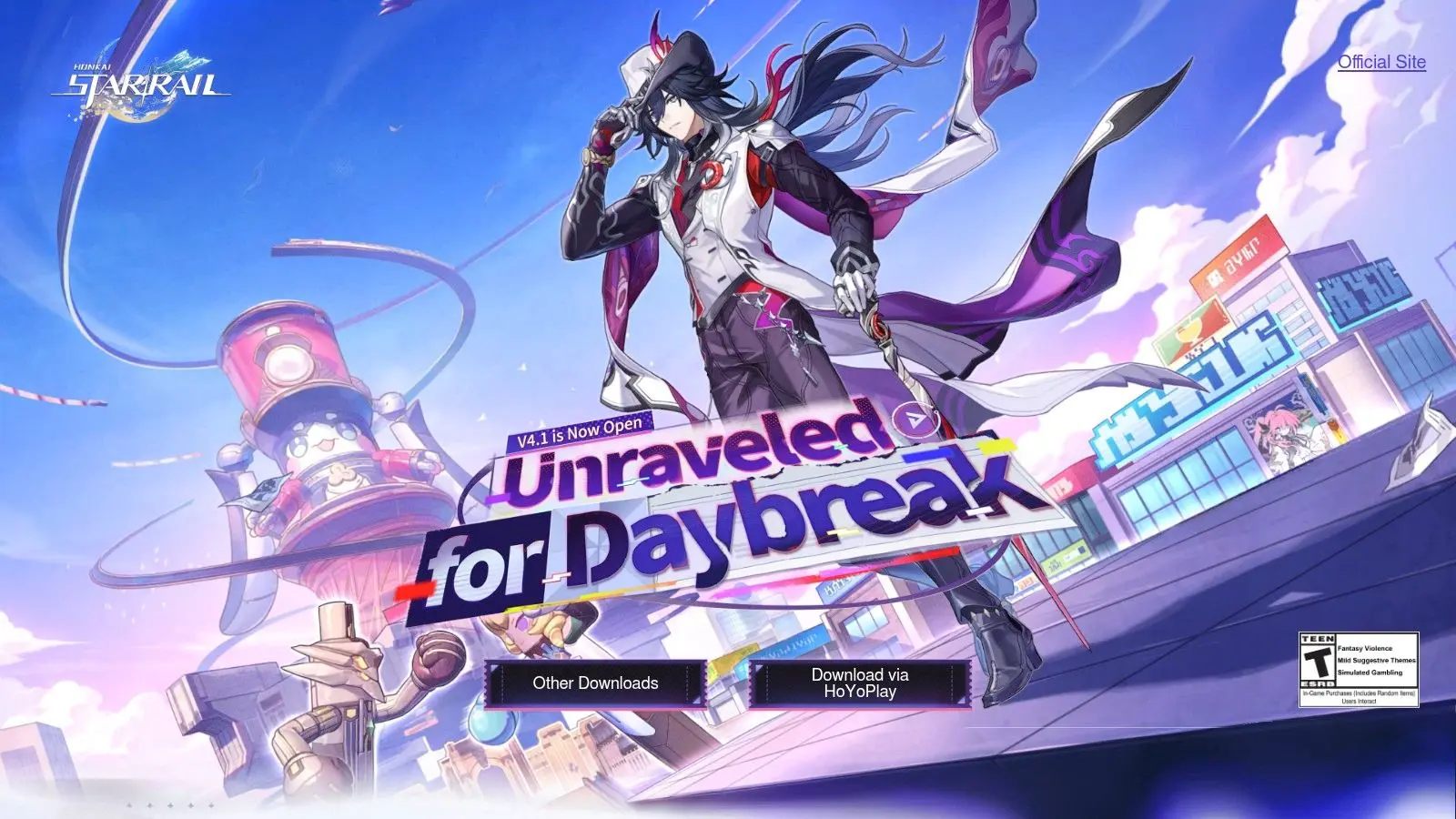
What happens when a mobile RPG stops chasing reflex-heavy combat and focuses on clarity instead? Honkai: Star Rail answers that better than almost any title in the category. Its turn-based structure gives every layer more room to register. Team roles are readable, status effects matter, and encounter design rewards planning over finger speed. On mobile, that is not a minor design choice. It reduces input friction, makes combat easier to follow on smaller screens, and lets short sessions still feel meaningful. The game also benefits from tighter narrative control than many open-world rivals. Scenes arrive with purpose, battles are framed like set pieces, and character moments are delivered with less travel time between them. For players, that creates momentum. For studios, it shows how much production value can come from encounter pacing, camera work, and strong character presentation rather than from building a vast map. There are trade-offs. Honkai: Star Rail still relies on gacha monetisation, so character desire and spending pressure are built into the progression model. The install size also grows as live-service updates stack up. Even so, its combat readability and polished mobile UX make those compromises easier for many players to accept than the demands of a more execution-heavy RPG. That restraint is part of the appeal.
Creator’s Takeaway
For creators and brands, Honkai: Star Rail is a strong case for concentrated scope. The game puts budget into character appeal, battle effects, animation timing, and scene direction, then supports all of that with a ruleset players can understand quickly. That is a disciplined production decision, not a limitation. It also highlights a practical monetisation lesson. Turn-based systems make character value easier to communicate. Players can see exactly why a shield unit, debuffer, or single-target damage dealer matters, which makes banner marketing more legible and easier to segment. Teams planning similarly presentation-heavy RPGs should study how combat readability, content cadence, and asset reuse fit together in a modern pipeline, especially if they are building in Unreal. This producer’s guide to game development with Unreal Engine is a useful reference point for that production thinking.
Studio note: If your combat system depends on strategic choice more than mechanical precision, turn-based design often fits mobile screens, controls, and session length better than compromised real-time action.
3. Wuthering Waves
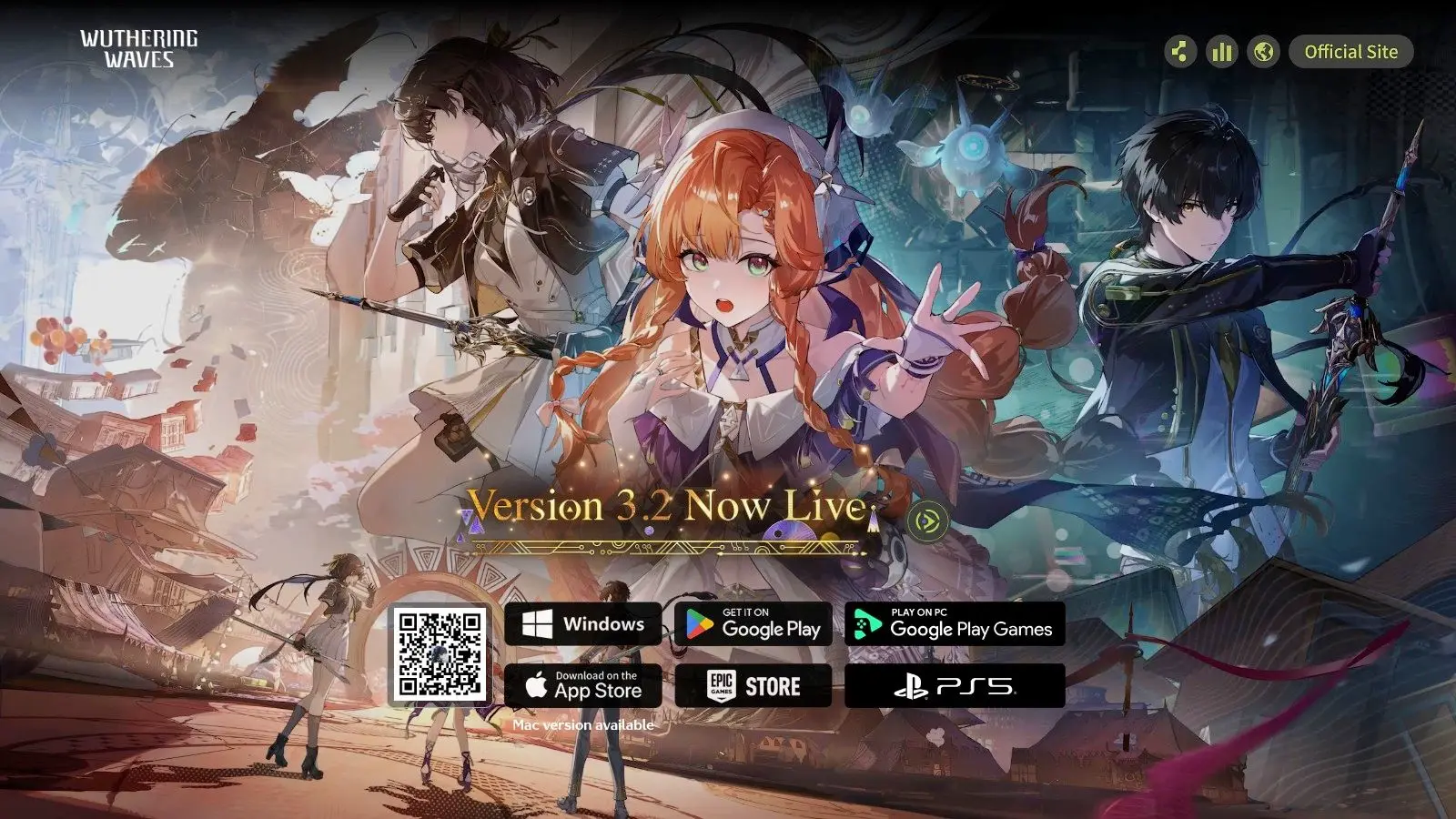
Wuthering Waves answers a different question from many mobile RPGs. What happens when a phone RPG prioritises execution, mobility, and combat expression over broad accessibility? The answer is a game that can feel outstanding in motion and demanding in almost every other respect. Its strongest asset is tempo. Dodges, cancels, aerial strings, and rapid repositioning give fights a level of player agency that many mobile RPGs avoid because the control burden is harder to support on touchscreens. Exploration benefits too. Movement has purpose beyond travel, which changes how the world feels minute to minute and gives the game a sharper identity than open-world RPGs that treat traversal as downtime. The cost is clear. Wuthering Waves asks for more processing headroom, more storage tolerance, and more player attention than a lot of its category rivals. On stronger phones, that trade-off can feel justified. On lower-end devices, frame pacing, heat, battery drain, and input comfort become part of the review, not background concerns. That matters for anyone building recommendation content, campaign creative, or brand partnerships around mobile RPG audiences. A game can look premium in trailers and still exclude a meaningful share of users if performance expectations outrun common device budgets. For studios planning similar products, the business question sits right beside the design one. Can your target market run the experience you are selling, and does your monetisation model survive if your addressable audience narrows? This practical guide to mobile app monetization models and revenue planning is a useful frame for that decision.
- •Best for: Players who enjoy reactive combat, manual mastery, and fast traversal.
- •Less ideal for: Older phones, limited storage, or players who want low-effort progression loops.
- •What stands out: Movement is part of the skill ceiling, not just a way to cross the map.
Creator’s Takeaway
For creators and brands, Wuthering Waves is a strong example of deliberate audience narrowing. High-speed action creates standout footage, stronger creator clips, and clearer differentiation in a crowded market, but it also raises production pressure across animation, enemy design, effects clarity, optimisation, and device testing. Those costs arrive early and keep compounding as live content expands. There is also a monetisation lesson here. Character selling in a mechanically demanding RPG depends on feel, not just rarity or visual appeal. If a new unit changes rotation flow, dodge windows, aerial control, or swap timing, marketing has to communicate playstyle value with precision. Studios exploring this direction should test their combat pipeline, camera behaviour, and content production capacity before scale sets expectations. Teams weighing that production model can compare it against this producer’s guide to game development with Unreal Engine.
4. Diablo Immortal
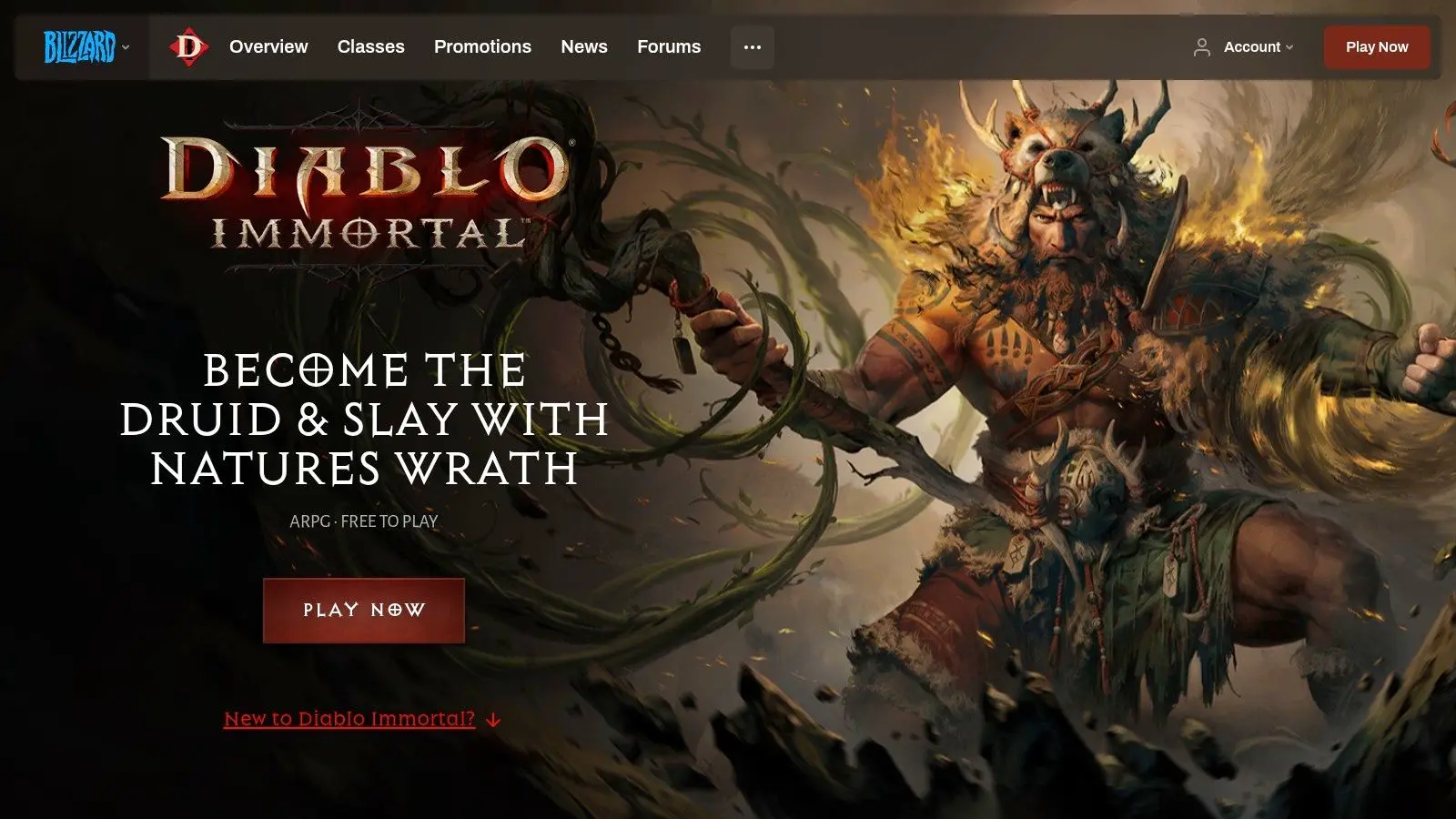
Diablo Immortal understands one thing exceptionally well: the action RPG loop belongs on mobile. Short combat bursts, loot drops, class identity, and repeatable progression all fit the platform naturally. The core feel is excellent. Skills fire with weight, enemies collapse quickly, and a few spare minutes can still produce a meaningful run. It supports both touch and controller play, which helps it stretch from quick sessions into longer dungeon-focused evenings. For pure combat-to-reward rhythm, it remains one of the strongest mobile ARPGs.
What works and what doesn’t
Where it divides players is the monetised endgame. Seasonal content and ongoing updates keep the game active, but the business model has drawn sustained criticism because progression pressure and spending hooks become hard to ignore once you move deeper into the systems. That doesn’t erase the craftsmanship. It does change who the game is for. If you can enjoy the campaign, class experimentation, and social PvE without chasing every optimisation layer, there’s a lot to like. If you’re sensitive to aggressive monetisation cues, the friction becomes part of the experience.
The best live-service monetisation disappears into the world. The worst kind keeps reminding you it exists.
Creator’s Takeaway
Diablo Immortal is valuable because it shows both excellence and overreach in the same product. The session design is smart. The combat loop is mobile-native. The onboarding is clear. But when monetisation becomes too visible, players stop talking about classes and start talking about pricing logic. That’s the lesson for brands and studios. Revenue design isn’t separate from game feel. It changes how players interpret progression, fairness, and trust. If your team is building a service game, monetisation has to be treated as UX, not just commercial architecture. A grounded starting point is this mobile application monetization guide, especially if you’re weighing long-term retention against short-term extraction.
5. Old School RuneScape
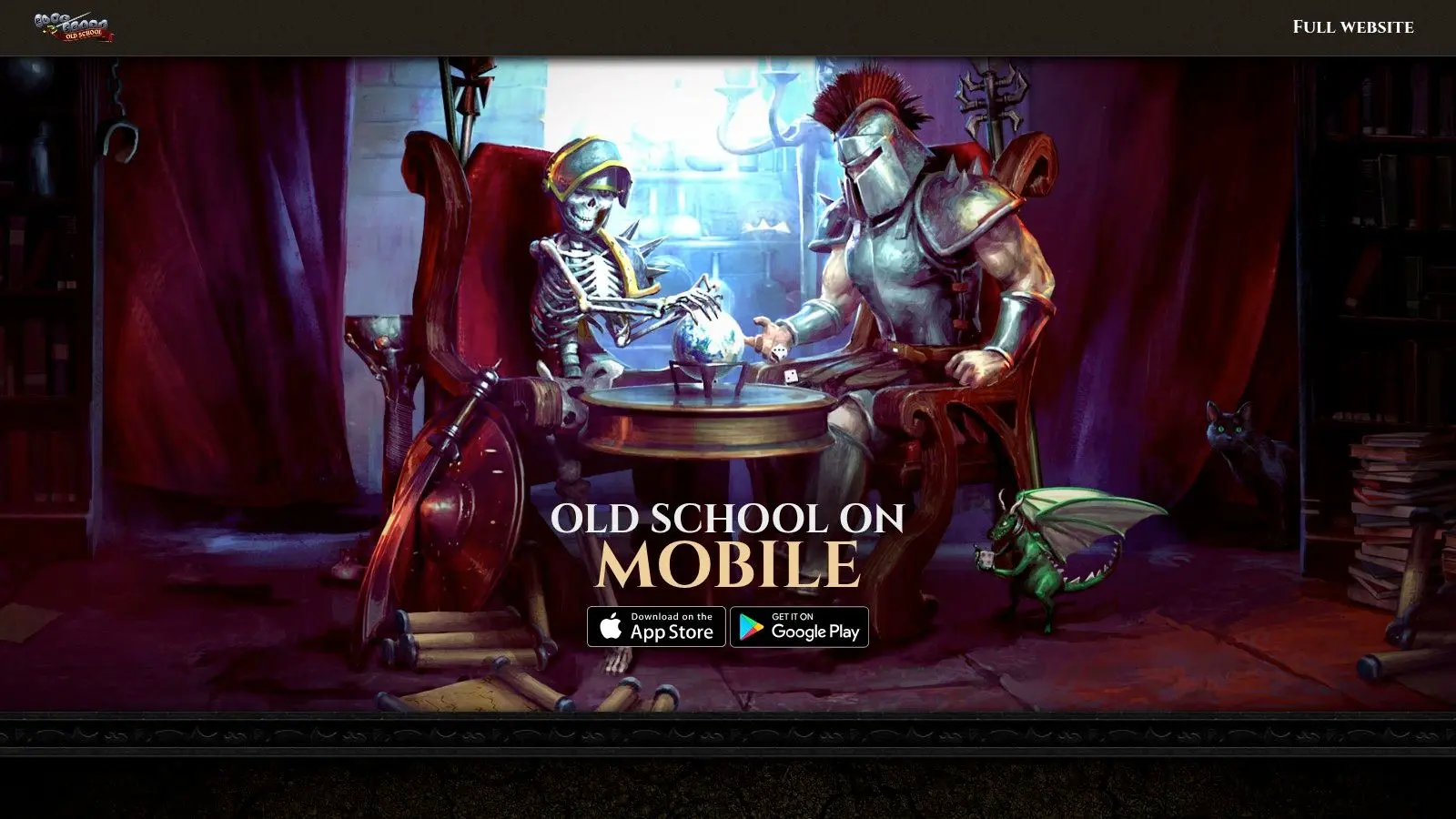
What keeps a mobile RPG alive for years when it is not competing on visual spectacle, voiced cutscenes, or constant event pressure? Old School RuneScape answers that with systems, routine, and trust. This is one of the clearest examples of long-term game design beating short-term novelty. The appeal sits in account building. Players set their own targets, whether that means quest completion, skilling efficiency, gold-making, trading, farming runs, or social progression inside a player-driven economy. On mobile, that structure works well because the game breaks naturally into useful session lengths. Five minutes is enough for a bank run or a quick task. An hour can still feel productive. Cross-progression strengthens that loop. Progress made on mobile carries straight into the desktop version, which makes the phone client feel like a real part of the product rather than a companion app.
Why it still holds up
Old School RuneScape asks more from the player than many modern mobile RPGs do. The interface language is older. The onboarding is lighter. The grind is real. Those are trade-offs, not accidents, and they help explain why the game keeps its audience. Progress feels earned, the economy has weight, and even small milestones contribute to a longer personal history with the account. That gives the game a different value proposition from story-led or spectacle-led rivals. It fits into daily life because it does not need to dominate every session to stay meaningful.
- •Best for: Players who like self-directed progression, economy play, and long-term account building.
- •Less ideal for: Players who want fast onboarding, heavy narrative presentation, or high-end visual production.
- •What stands out: Few mobile RPGs make repetition feel this purposeful.
Creator’s Takeaway
For creators and brands, Old School RuneScape is a useful case study in production restraint. It shows what happens when a studio protects systemic depth, community continuity, and economy credibility over constant aesthetic escalation. That is not the right strategy for every RPG, but it is a strong one when retention depends on habit, identity, and social trust. There is also a clear mobile product lesson here. A game does not need to be technically flashy to be commercially durable. It needs reliable session design, readable goals, and a world players believe will keep its value over time. OSRS succeeds because the content model, monetisation expectations, and player effort all point in the same direction. For studios planning service-based RPGs, that alignment matters as much as art direction.
6. Another Eden The Cat Beyond Time and Space
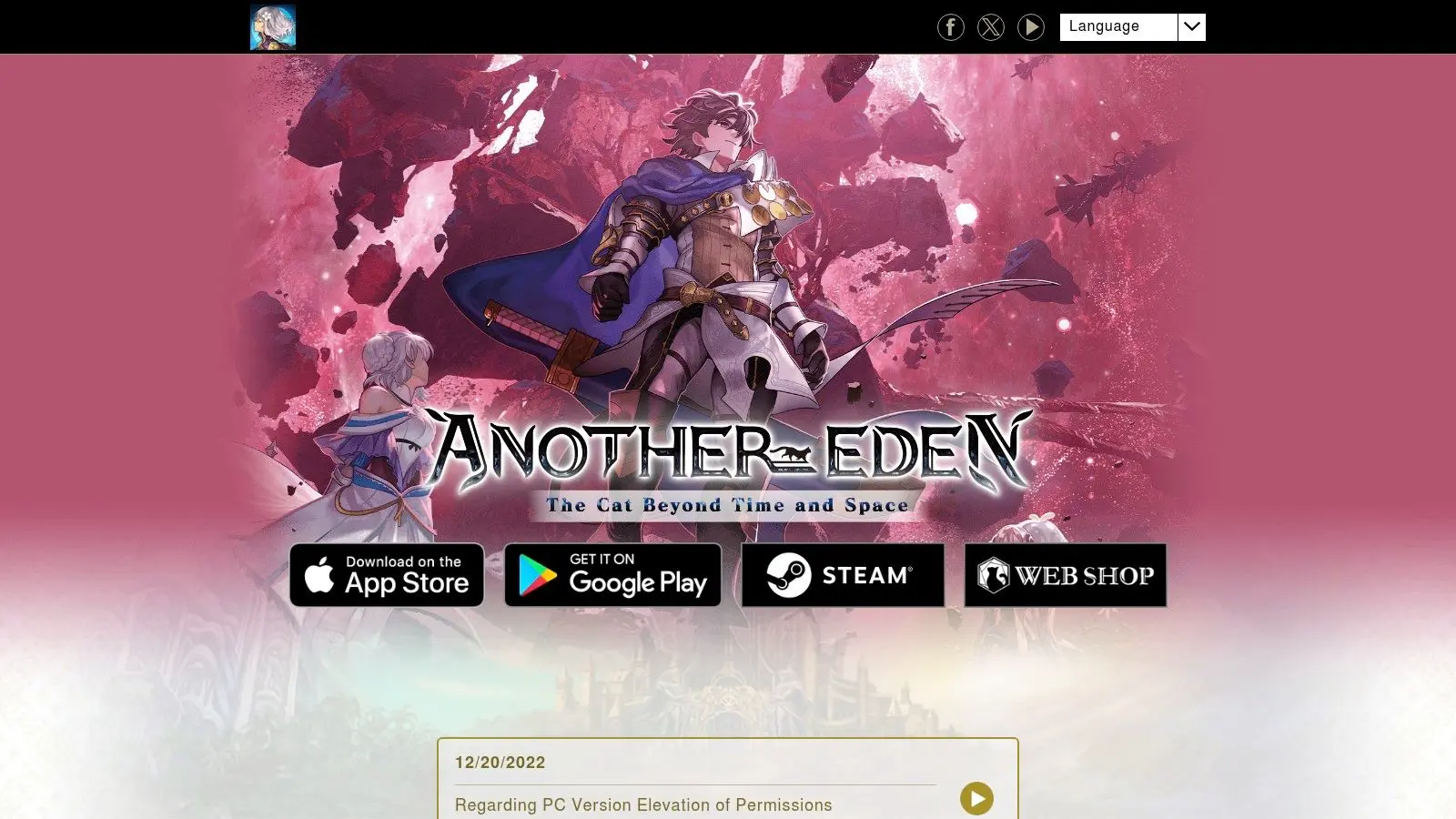
What does a mobile RPG look like when the core promise is a long-form JRPG journey rather than daily behavioural pressure? Another Eden: The Cat Beyond Time and Space answers that with unusual discipline. Its strongest quality is restraint. The game is built around chaptered storytelling, turn-based battles, character episodes, and a soundtrack that carries much of the emotional pacing. Session design feels closer to a portable console RPG than to a calendar-led live service, which gives it a different role in the category. That choice will split audiences. Players who want constant event churn, social competition, or rapid account optimisation may find Another Eden too measured. Players who value atmosphere, narrative continuity, and slower combat usually respond well to it because the game gives them room to settle into the world instead of rushing them through it. The gacha layer is still there, so this is not a premium-only escape from mobile monetisation, but the surrounding structure is less pushy than many rivals. The result is a calmer product rhythm, and that matters. Mobile audiences are increasingly selective about interruption, pressure, and attention tax. Another Eden benefits because its appeal is not built on urgency in the first place.
Production lesson: Calm can be a commercial position, not just an artistic one.
Creator’s Takeaway
For creators and brands, Another Eden is a strong example of product identity held together by consistency. Art direction, music, quest flow, and monetisation all support the same promise. Story first. Pressure second. That kind of alignment is harder to produce than louder feature sets, but it often creates clearer audience fit. There is also a useful studio lesson here. If a game cannot outspend the biggest live-service RPGs on spectacle or event cadence, it can still compete by being more deliberate about tone, pacing, and player energy. Another Eden shows how to build around emotional retention rather than habitual compulsion. For brands exploring interactive storytelling, that is often the smarter model.
7. Baldur’s Gate Enhanced Edition
Baldur’s Gate: Enhanced Edition is still one of the easiest recommendations for players who want a proper story-heavy RPG on mobile without live-service baggage. It’s a premium purchase, largely offline-friendly once installed, and packed with the kind of branching campaign design that modern mobile games rarely attempt. Its strengths are old-fashioned in the best way. Party-building matters. Companion interactions matter. Dialogue and quest structure matter. You’re making room for a dense role-playing experience rather than checking into a progression treadmill.
Best played deliberately
This isn’t a universal recommendation for every phone owner. The interface is denser on smaller screens, and touch controls are functional rather than elegant. A tablet or larger handset gives it more breathing room. But if you meet it on its own terms, it offers tremendous value and replayability. That premium, self-contained model is also part of why it stands out in 2026. There’s no event calendar demanding daily loyalty. No rotating monetisation pressure shaping party choice. The game asks for attention, not habit.
- •Best for: Players who want classic CRPG depth and offline-friendly play.
- •Less ideal for: Small screens, fast-twitch expectations, or anyone who wants modern UX minimalism.
- •What stands out: It respects both narrative complexity and one-time ownership.
Creator’s Takeaway
Baldur’s Gate remains a useful benchmark for adaptation. Porting a classic RPG to mobile isn’t just about shrinking the screen. It’s about deciding which complexities to preserve, which to soften, and where friction is acceptable because depth is the point. For studios and brands, the broader lesson is strategic. Premium mobile can still work when the proposition is clear: strong writing, complete ownership, and no pressure architecture. In a market where many players are tired of pay-to-win friction, that clarity becomes a differentiator rather than a limitation.
Top 7 Mobile RPGs Comparison
| Title | Implementation Complexity 🔄 | Resource Requirements ⚡ | Expected Outcomes ⭐ 📊 | Ideal Use Cases 💡 | Key Advantages |
|---|---|---|---|---|---|
| Genshin Impact | Very high, expansive open world, cross-platform live‑ops | Very large, AAA art, orchestration, backend & storage | Strong engagement, high ARPU and retention ⭐📊 | Long-term live‑service, cross‑platform flagship | AAA presentation, deep elemental team synergies |
| Honkai: Star Rail | Medium‑high, cinematic turn‑based systems and episodic content | High, voice acting, optimisation, live‑ops support | Strong narrative retention and user acquisition ⭐📊 | Story‑forward JRPGs prioritising mobile first | Polished writing, excellent mobile optimisation |
| Wuthering Waves | High, responsive movement/combo systems and traversal tech | High, performance demands, high‑fidelity assets | Engaged niche audience seeking skillful combat ⭐📊 | Action RPGs focused on game feel and traversal | Fluid mobility, modern visuals, expressive combat |
| Diablo Immortal | Medium, ARPG loop with PvE/PvP and seasonal live‑service | High, servers, balancing, continuous content drops | High session frequency and monetisation potential; reputation risk ⭐📊 | Mobile ARPGs aiming for short/long sessions and competitive play | Tight ARPG combat loop; strong endgame systems |
| Old School RuneScape | Medium, MMO backend and community governance | Medium‑high, persistent servers, economy moderation | Exceptional long‑term retention and community sustainability ⭐📊 | Sandbox/MMO with player-driven content and economy | Deep sandbox goals, robust community & economy |
| Another Eden | Low‑medium, single‑player chapters, minimal live‑ops | Moderate, narrative content and soundtrack investment | Loyal niche audience; steady updates without PvP pressure ⭐📊 | Single‑player, story‑first mobile JRPGs | Strong narrative, music, relaxed play experience |
| Baldur’s Gate: Enhanced Edition | Medium, porting complex UI and party systems to touch | Low‑moderate, one‑time dev effort; no live servers | High player satisfaction for premium buyers; long replayability ⭐📊 | Premium, offline RPG players seeking deep campaigns | Deep narrative, one‑time purchase value, offline play |
The Future of Role-Playing on the Go
The best rpg mobile games in 2026 don’t point to one future. They point to two. On one side, you have large-scale live-service worlds such as Genshin Impact, Honkai: Star Rail, Wuthering Waves, and Diablo Immortal. These games are built to become habits. They rely on account progression, update cadence, content drops, and carefully managed return loops. On the other side, you have games that win by reducing pressure. Another Eden and Baldur’s Gate: Enhanced Edition show the continued strength of story-led pacing, premium ownership, and lower-friction design. Old School RuneScape sits somewhere between those poles. It’s ongoing and social, but its appeal comes from long-term persistence and player-defined goals rather than cinematic urgency. That split matters for studios. Too many projects try to borrow from the biggest live-service successes without asking whether the team, the audience, or the IP can support that model. Scale only works when production, monetisation, and content cadence are aligned. If one layer is underpowered, players feel it quickly. Spectacle gets attention, but systems keep people there. For UK-facing creators, device fit should be part of that strategy from day one. High-end presentation still attracts attention, but there’s a clear underserved audience around lower-spec compatibility and less intrusive play patterns. Plenty of players don’t want their next mobile RPG to behave like a second job. They want reliable performance, clean interfaces, and sessions that fit around commuting, patchy connections, and battery limits. The commercial lesson is just as important. Mobile RPG monetisation doesn’t succeed by increasing pressure. The strongest games create a clear exchange. Players know what the fantasy is, what progression feels like, and what kind of commitment the game expects. When that contract is honest, audiences stay. When monetisation overwhelms the role-playing, trust drops fast. From a production perspective, the winners are usually disciplined rather than merely expensive. Genshin commits to worldbuilding and cross-platform continuity. Star Rail commits to tactical readability and cinematic delivery. Wuthering Waves commits to high-skill combat. Baldur’s Gate commits to depth over trend-chasing. Each succeeds because it knows what it is and protects that identity. This is the main insight for brands and creative teams looking at the games space. Mobile is no longer a lesser platform. It’s a design environment with its own demands around retention, interface, optimisation, and content flow. Teams that treat it seriously can build experiences that rival console and PC in emotional impact, even when the session lengths are shorter and the hardware range is wider. If you want more context on how this space keeps evolving, this overview of the evolution of handheld gaming consoles is a useful companion read. The line between handheld, mobile, and traditional gaming keeps blurring. That makes craft, pipeline planning, and commercial clarity even more important.
If your team is developing a game, interactive campaign, animated IP extension, or XR experience, Studio Liddell can help shape it from concept to delivery. Their work across animation, apps, games, and immersive production makes them a strong partner for brands and rights-holders that need sharp creative, real-time production expertise, and a pipeline built for modern interactive audiences.