7 Virtual Reality Games for PC Worth Playing
The best virtual reality games for PC aren't just the ones with the biggest worlds or the sharpest textures. They're the ones that fit how you like to play, how much motion your stomach can handle, whether you want solo story, multiplayer, or a quick workout session, and how much tuning your PC can tolerate before the game feels smooth. That matters in the UK, too, because VR hardware has become a visible part of the games market, with £204 million in sales in 2024 and £201 million in 2025, while digital PC sales stayed large at £647 million in 2024 and £790 million in 2025, which shows PC VR sits inside a broader PC gaming ecosystem rather than floating outside it (GamesIndustry.biz). Studio Liddell's Unity and Unreal XR experience is useful context here, because the same production choices that matter in immersive work, interaction, optimisation, comfort, and platform fit, also shape which PC VR games are worth your time.
1. Half-Life: Alyx
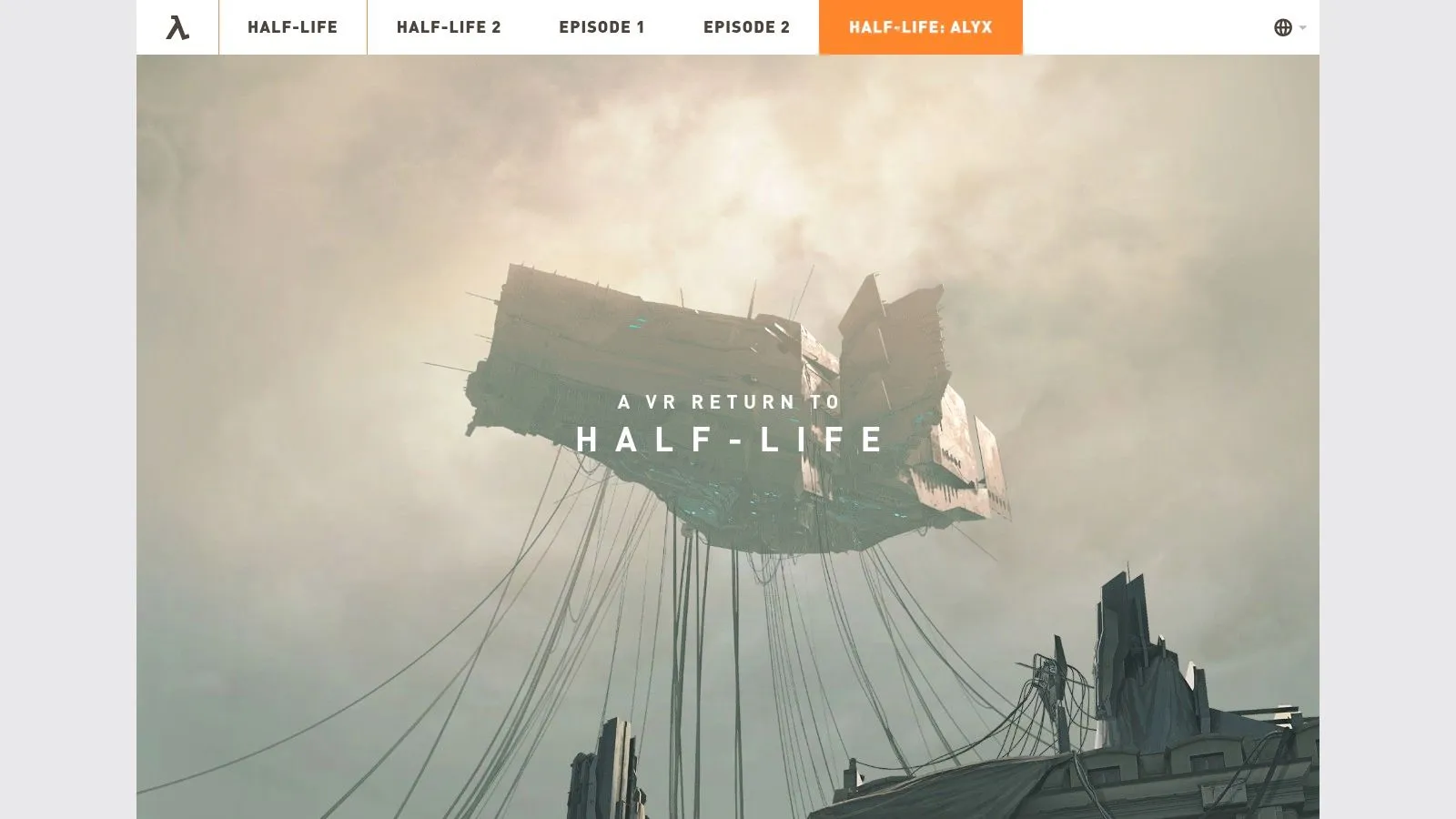
Half-Life: Alyx is the game that most clearly shows what a high-end PC VR campaign can do when every interaction is built for the headset. Valve designed it as a full VR-only experience on Source 2, with room-scale movement, tactile object handling, gravity gloves, and puzzles that rely on reaching, grabbing, and physical presence rather than button prompts, all on Valve's official Alyx page. If you want a game that treats VR as the main event, not a novelty feature, this is the reference point.
Why It Still Sets the Bar
The strongest reason to play it is the feel of its world. Doors open with your hands, ammo gets handled manually, and firefights are paced so the game rarely feels chaotic in a bad way. That makes it a great first premium story pick for people who already know they enjoy VR, but it's also demanding enough that it rewards a stable headset setup and a decent play space.
Practical rule: if you want a campaign that sells VR to sceptical friends, start here, not with a sandbox.
The trade-off is simple. There's no flat-screen fallback, so this is a true VR commitment, and the premium price sits above many indie options. The upside is replayability, because Valve's official mod tools and Steam Workshop support keep community campaigns and modes in circulation, which makes the game feel less like a one-and-done story. For production-minded readers, the internal overview at Studio Liddell's VR game development guide is a useful companion if you want to understand why this kind of interaction-heavy design works so well in VR.
2. Beat Saber
Beat Saber is the clearest entry point on this list for anyone new to VR, or anyone who wants a session that starts quickly and finishes cleanly. The rules are simple, slice blocks to the beat, but the skill ceiling stays high because faster tracks, tighter timing, and accuracy keep raising the challenge. The official site centres the experience on music and rhythm, with licensed tracks and original OST content on Beat Saber's website.
Best For Newcomers and Fitness-Minded Players
The appeal is easy to see. You do not need to learn a complex system before the first song feels good, so it is one of the safest introductions to virtual reality games for PC if you are unsure about motion sickness or prefer short bursts of play. It also suits players who care more about physical flow than story structure, and if you are comparing headset options, our guide to 12 places to find Meta Quest 3 games covers where PC VR players source titles, Studio Liddell's guide to 12 places to find Meta Quest 3 games. The platform reach helps too, since it runs through major PC VR routes including SteamVR and Oculus PC support. Leaderboards and multiplayer add a competitive edge, while the large DLC catalogue gives music-heavy players more to explore over time. The trade-off is clear, the core loop is arcade-style rather than narrative, so it does not focus on world-building or character development.
Beat Saber works best when you treat it like a rhythm sport, not a campaign.
For audience fit, the answer is straightforward. It suits players who want something social, energetic, and easy to return to after work. It also delivers a complete payoff in a short session, which is its own kind of finish.
3. Microsoft Flight Simulator VR Mode

Microsoft Flight Simulator VR Mode is the closest thing on this list to sitting inside a real cockpit. Asobo and Xbox Game Studios include native PC VR support, VR controller input, and OpenXR compatibility, with support across Windows Mixed Reality, Oculus, and SteamVR headsets (Microsoft Flight Simulator official site). If you care about realism, aircraft systems, and a convincing sense of scale, it stands at the top of the simulation tier.
Why It Rewards Patience
Flight sim VR asks for a different mindset from arcade-style games. You are not chasing quick reactions, you are learning instruments, cockpit layouts, and the logic behind each step of flight. In VR, that learning pays off because altitude, weather, and airport detail feel physically present, almost like you have moved from a dashboard view to the pilot's seat itself. The trade-off is setup effort and hardware pressure. VR performance can be demanding, and the handoff between OpenXR, SteamVR, and headset software may need some tuning before it feels smooth. For a practical look at how high-performance VR systems are planned and optimised on the development side, see Studio Liddell's Unity VR development guide. That makes this a better fit for players who are comfortable adjusting settings instead of expecting everything to run perfectly on the first launch. If you want entertainment first and simulation second, Beat Saber or Pavlov VR will be easier to live with. If you want a title that can also support training, education, and enterprise demos, this one sits at the top of the realism scale.
Good Fit Notes
- •Headset support: broad across the main PC VR ecosystems.
- •Comfort level: seated play helps, but cockpit VR can still feel intense if you are not used to it.
- •Audience fit: aviation fans, systems thinkers, and players who enjoy long sessions.
4. No Man's Sky
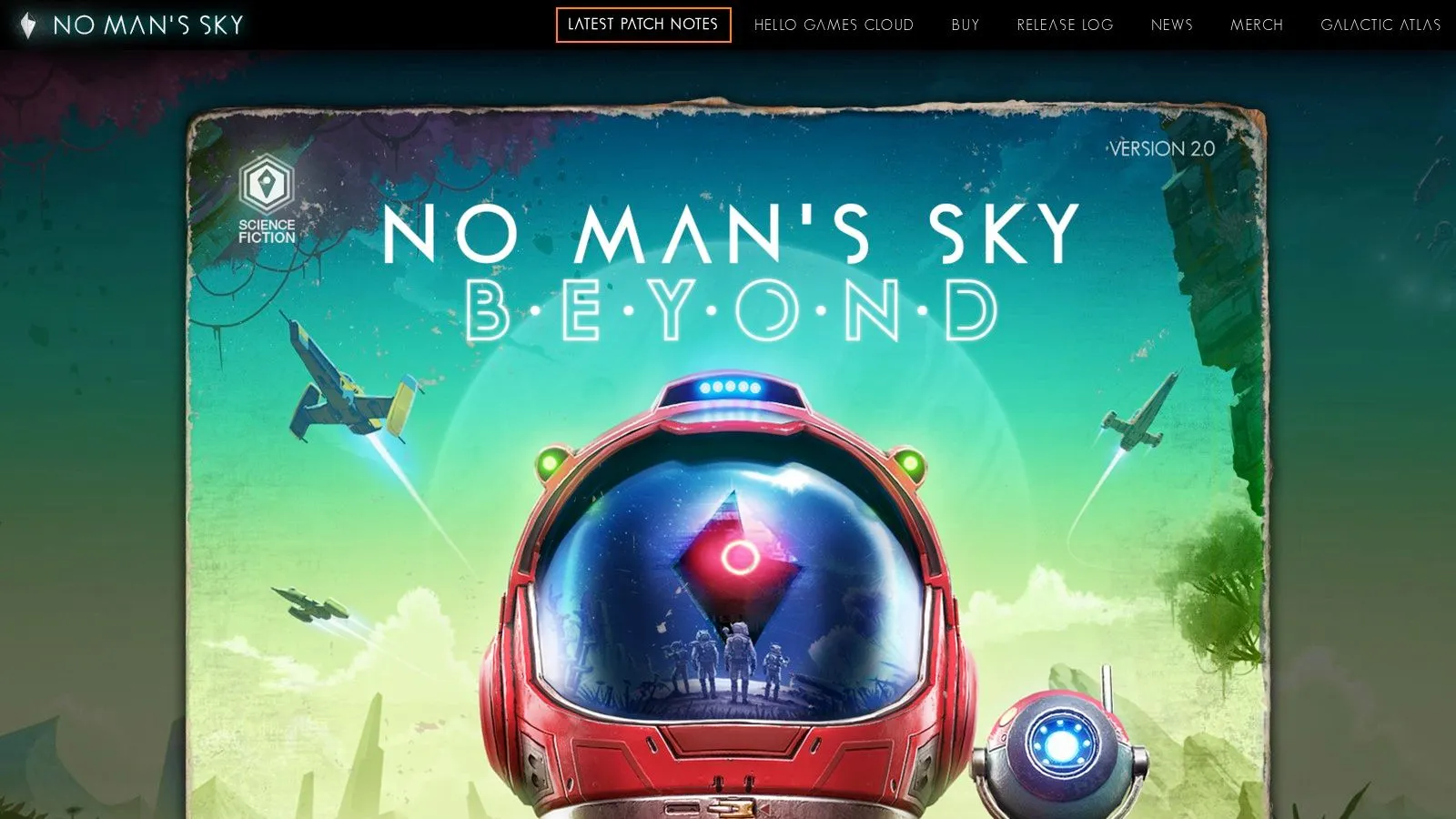
No Man's Sky is the broadest sandbox on this list, because the entire game can be played in VR across exploration, combat, and base-building. Hello Games' official update pages show a long-running pattern of free support and added features, which is a major reason the game remains relevant on PC (No Man's Sky Beyond update page). If you want a VR world that keeps growing instead of ending, this is the strongest open-ended option.
Exploration First, Everything Else Second
The game's appeal is scale. You can drift between planets, build bases, take part in combat, and keep a save alive for a very long time without running out of things to do. On PC, it also gives you the flexibility to switch between flatscreen and VR, which is useful if you want to ease in slowly or save VR for the moments that matter most. That flexibility comes with a catch. Performance and comfort can vary by system, so tuning matters, and the game is best approached as a sandbox rather than a tightly scripted story. If you want a cinematic arc with a beginning, middle, and end, this probably won't be your favourite. For the right player, though, it's excellent. It suits explorers, builders, and anyone who likes the idea of turning a quiet evening into a long session of scanning, travelling, and base improvement. It's also one of the easiest games on this list to recommend to someone who wants variety rather than a single fixed loop.
If you want a VR game that lets you wander, build, and drift for hours, this is the one to watch.
The best way to think about it is as a persistent playground. That makes it especially attractive if you're buying your first headset and want a game that can survive beyond your first week.
5. Blade & Sorcery
Blade & Sorcery is the purest physics sandbox here, and that's exactly why it stands out. Warpfrog built it around melee, ranged, and magic combat that reacts to your hands, your timing, and the environment, while the game's modding scene keeps adding variety through community-created content (Warpfrog's official site). If you want to feel how much a VR combat system depends on body movement and physical feedback, this is the one to try.
A Combat Sandbox, Not a Campaign
The thrill comes from touchable cause and effect. Weapons have weight, enemies respond to force, and the world invites experimentation rather than strict mission structure. That makes the game excellent for players who want to test VR interaction models or just enjoy the messy fun of swinging, blocking, and improvising. The downside is just as clear. It isn't a narrative campaign, so the sandbox loop can feel repetitive if you're looking for story progression. Because it has also spent time in Early Access, some players may run into instability from time to time. For the right audience, though, that doesn't matter much. The mod ecosystem gives the game longevity, and the community has made it a favourite for people who enjoy systems over scripting. It also has a practical value beyond entertainment, because it shows how physics-driven design can create memorable interaction without depending on cutscenes or dialogue.
Comfort note: this one can be intense in both movement and momentum, so start with shorter sessions if you're new to VR combat.
If you liked the idea of grabbing an object and immediately understanding its weight and use, this is the strongest fit on the list. It's not polished in the same way as a AAA campaign, but it can be just as compelling in shorter bursts.
6. The Walking Dead Saints & Sinners

The Walking Dead: Saints & Sinners is the best blend of story and survival pressure on this list. Skydance Interactive's official page frames it as a VR action RPG set in post-apocalyptic New Orleans, with combat built around physics, scavenging, crafting, and choice-driven missions (official site). It's the game to choose if you want tension, consequences, and a properly grounded sense of place.
Strong Story, Strong Systems
The combat matters because it feels dangerous. Melee and firearms are both handled in ways that make every encounter feel deliberate, and the survival systems force you to think about resources rather than just moving from one objective marker to the next. That gives the game a weightier feel than many action VR titles. It also asks more from the player. Horror elements and locomotion can be uncomfortable for some people, and inventory management can feel punishing if you're new to VR. That said, those same systems are what make the game memorable, because they tie the story, the world, and the combat together in a single loop. The broad audience fit is clear. If you like atmosphere, scavenging, and the constant tension of survival, this is a smart pick. If you're looking for a relaxed introduction to VR, it's probably too much for a first session. The game is more rewarding when you're already comfortable moving naturally in a headset.
The game succeeds because it makes small decisions feel expensive.
That's rare in VR, and it's why this title deserves a place alongside the bigger spectacle games on the list. It doesn't just show what VR can do visually, it shows what it can do emotionally.
7. Pavlov VR
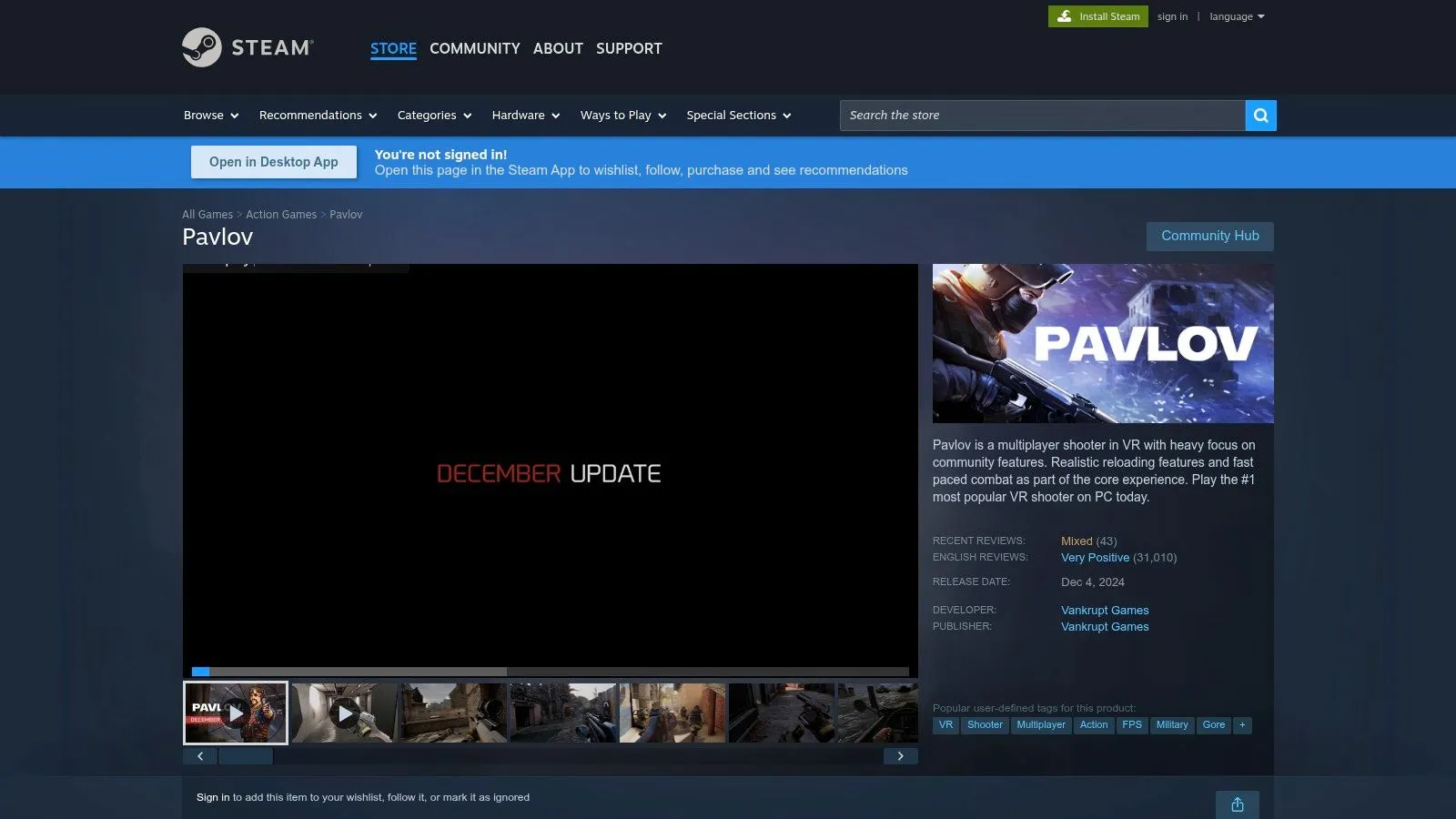
Pavlov VR is the multiplayer pick, and it earns that spot by making gun handling feel immediate and readable in a social setting. The game's Steam page highlights realistic reloading, PvP and co-op play, and community-run servers, which are the core reasons people keep coming back to it (Steam store page). If you want to test yourself against real players, this is the most obvious shooter choice.
Why Social Play Changes Everything
The appeal is not just the gunplay, it's the ecosystem. Quick matchmaking, community maps, and a deep weapon-handling model make it easy to fall into a rhythm with friends or strangers. That keeps the game feeling fresh even after repeated sessions, because other players create the variation that a scripted campaign can't. There are trade-offs. This is best experienced socially, and solo or custom lobbies can vary in quality. The learning curve can also be steep, especially if you're not used to VR shooters that demand both movement discipline and manual reloading under pressure. Still, it's a strong choice for anyone who wants the multiplayer side of virtual reality games for PC to feel active rather than decorative. If you enjoy competition, community servers, or the simple fun of getting better at reload timing and map awareness, Pavlov delivers a lot of replay value. The broader audience fit is straightforward. It's for players who want social friction, not a guided story. That makes it a useful contrast with Half-Life: Alyx and The Walking Dead: Saints & Sinners, which are built around authored campaigns.
Top 7 PC VR Games, Side-by-Side Comparison
| Title | Implementation Complexity 🔄 | Resource Requirements ⚡ | Expected Outcomes 📊 | Ideal Use Cases 💡 | Key Advantages ⭐ |
|---|---|---|---|---|---|
| Half‑Life: Alyx (Valve) | High, room‑scale interactions & physics; mod tools for creators 🔄🔄🔄 | High, VR‑only; strong GPU & free space; premium price ⚡⚡⚡ | Top‑tier single‑player immersion; polished campaign with mod replayability 📊 | Flagship VR demos, narrative showcases, modding communities 💡 | ⭐⭐⭐⭐, benchmark interaction design, strong Workshop support |
| Beat Saber (Beat Games / Meta) | Low, simple mechanics; instant onboarding 🔄 | Low, runs on major PC VR headsets; DLC adds cost ⚡⚡ | Fast engagement; fitness and competitive leaderboards 📊 | New VR users, fitness sessions, casual/multiplayer play 💡 | ⭐⭐⭐⭐, highly accessible, large official track library |
| Microsoft Flight Simulator (Asobo), VR Mode | Very high, complex controls; OpenXR/SteamVR tuning required 🔄🔄🔄🔄 | Very high, top‑tier GPU/CPU for smooth VR framerates ⚡⚡⚡⚡ | Unmatched scale & visual fidelity; strong training/enterprise value 📊 | Flight sim enthusiasts, training demos, enterprise visualization 💡 | ⭐⭐⭐⭐, vast world, continuous updates, realistic systems |
| No Man's Sky (Hello Games), Full PCVR | Medium, full game VR integration; occasional tuning 🔄🔄🔄 | Medium‑High, variable perf by system; tuning recommended ⚡⚡⚡ | Massive exploration sandbox; long‑term engagement and updates 📊 | Open‑world exploration, sandbox building, extended play sessions 💡 | ⭐⭐⭐, huge scope, frequent free updates, seamless flatscreen/VR |
| Blade & Sorcery (Warpfrog) | Medium, physics‑driven interactions; modding ecosystem 🔄🔄🔄 | Moderate, physics cost but not top‑end GPU required ⚡⚡⚡ | Highly tactile combat sandbox; good for prototyping interactions 📊 | Combat experimentation, modding, sandbox playtesting 💡 | ⭐⭐⭐⭐, realistic physics, strong community mods |
| The Walking Dead: Saints & Sinners (Skydance) | Medium‑High, branching campaign, survival systems 🔄🔄🔄🔄 | Moderate, standard VR PC requirements; locomotion comfort matters ⚡⚡⚡ | Immersive survival‑horror with meaningful choices and weighty combat 📊 | Single‑player narrative horror, survival simulations, mature audiences 💡 | ⭐⭐⭐⭐, believable combat, strong critical reception |
| Pavlov VR (Vankrupt Games) | Medium, multiplayer systems, weapon handling learning curve 🔄🔄🔄 | Moderate, good network & PC recommended for competitive play ⚡⚡⚡ | Fast‑paced competitive shooter; social and community engagement 📊 | PvP/co‑op multiplayer, community servers, competitive scenes 💡 | ⭐⭐⭐⭐, deep weapon handling, active mod/community content |
Match the Game to Your Playstyle
If you want an easy first step into virtual reality games for PC, Beat Saber is the cleanest pick because it's approachable, energetic, and easy to understand in minutes. If you want story-led play, Half-Life: Alyx and The Walking Dead: Saints & Sinners are the strongest choices, with the first leaning into polished interaction and the second leaning into survival tension and atmosphere. For serious simulation, Microsoft Flight Simulator is the standout, but it asks for patience, tuning, and a willingness to learn systems. For open-ended exploration, No Man's Sky gives you the widest sandbox and the most relaxed switching between play styles on PC. If you want physics experimentation, Blade & Sorcery is the game that best shows how VR combat can feel physical rather than scripted. If multiplayer matters most, Pavlov VR is the obvious social shooter, especially if you want community servers and a steady stream of match variety. Comfort and hardware still matter more than people expect. Check the headset support for each game before you buy, and give yourself time for performance tuning where the game needs it, especially with sim-heavy or physics-heavy titles. If a game offers seated play, adjust your setup before longer sessions, because comfort settings are often the difference between a short try-out and a game you keep playing. Studio Liddell is relevant here because VR design lives or dies on interaction, optimisation, and platform fit, the same practical concerns that separate a good headset demo from a memorable one. If you're exploring immersive content, VR game production, or real-time XR work, visit Studio Liddell to see how that experience translates into production. --- Studio Liddell creates immersive VR and XR experiences with Unity and Unreal expertise, which makes it a relevant partner if you're planning a PC VR concept, a headset-led game, or a broader immersive project. If you want help shaping a VR experience from idea to delivery, visit Studio Liddell and explore what they build.