What Is Transmedia Storytelling Explained
Transmedia storytelling isn't just about adapting a story for different devices. It’s the art of telling one single, unified story across multiple platforms and formats, where each piece adds something new and vital to the whole. This guide will unpack what that means in practice, from core principles to real-world examples that show how UK creators and global brands are using it to build deeply engaged audiences.
Defining Transmedia Storytelling Beyond the Buzzword
Let's cut through the jargon. Think of a detective story. The film might show you the central crime, a companion mobile app could let you analyse clues from the crime scene, and a podcast series could reveal the lead detective's troubled past. Each part works on its own, but when you put them together, you get a much richer, more immersive world. That’s the heart of transmedia. This isn't about repetition; it's about expansion. It's an open invitation for your audience to stop being passive viewers and become active participants, piecing together the narrative and exploring a universe you've carefully built. Each platform plays to its strengths, deepening the story in its own unique way. It's a natural evolution of the power of storytelling in marketing, leveraging narrative to forge a much stronger connection.
The Role of Each Medium
In a true transmedia experience, no single platform holds the entire story. The magic lies in spreading essential pieces of the narrative across different channels, creating a cohesive journey that turns consumption into exploration. This strategic approach defines the key difference between simple cross-platform content and a true transmedia narrative.
- •The Core Narrative: This is your anchor, often a film, TV series, or book. It’s where you introduce the main characters, the world, and the central conflict that kicks everything off.
- •World Expansion: This is where you add colour and depth. Secondary platforms like websites, comic books, or animated shorts can explore subplots, fill in historical lore, or give supporting characters their moment in the spotlight.
- •Audience Interaction: Here’s where your story comes alive. Interactive elements like alternate reality games (ARGs), in-character social media profiles, or fan forums empower the audience to step inside the story world and even contribute to it.
Why It Matters More Than Ever
Let's face it, grabbing and holding someone's attention today is tough. We’re all bombarded with content from every direction. Transmedia storytelling cuts through that noise by creating immersive worlds that encourage genuine, sustained engagement. You’re not just building an audience; you’re building a dedicated community invested in discovering every last piece of the puzzle. The goal is to design a cohesive experience that feels intentional and rewarding.
"Transmedia storytelling represents a process where integral elements of a fiction get dispersed systematically across multiple delivery channels to create a unified and coordinated entertainment experience." - Henry Jenkins, Provost Professor at the University of Southern California.
And this isn't just for Hollywood blockbusters. Brands, educators, and museums are all using these principles to forge deeper connections, explain complex ideas, and create experiences that stick. When you treat each platform as a unique chapter in a bigger story, you create something far greater than the sum of its parts, fostering real loyalty and unlocking incredible creative potential.
The Core Principles of Building a Transmedia World
A truly successful transmedia story doesn't just happen. It's carefully constructed on a set of core principles that make sure every single part of the story, no matter where you find it, feels connected, meaningful, and genuinely engaging. It’s these pillars that turn a simple narrative into a sprawling universe audiences can step into and explore. Think of it like building a house. You wouldn't start hanging pictures before the foundation is poured and the walls are up, right? In the same way, a transmedia project needs a rock-solid structure to hold the weight of a story told across countless different platforms. These principles provide that essential framework.
Worldbuilding: The Narrative Bedrock
The first, and most important, principle is worldbuilding. This isn't just about designing a backdrop; it’s about crafting a rich, consistent universe with its own history, its own rules, and its own culture. A world that feels real and lived-in provides a stable stage for all the different stories you want to tell. This "story bible" is the single source of truth for everyone involved, from the animators on the series to the developers building the mobile game or the writers penning the comic book. Consistency is everything. If a character has a nut allergy in the TV show, that detail had better be present in the prequel novel. It’s this kind of coherence that makes the world believable and gets your audience to invest their time and emotion.
A deep and consistent world is the canvas upon which all other transmedia elements are painted. It’s what gives audiences the confidence to explore, knowing that the details they discover on one platform will have meaning and relevance on another.
For instance, a sci-fi series might lay out a complex political system between warring planets. A companion video game could then let players step into the shoes of a diplomat navigating that exact system, adding a layer of interactive depth that makes the lore from the show feel even more real.
Narrative Dispersal: Sparking Curiosity
With your world firmly established, the next step is narrative dispersal. This is the fine art of scattering essential pieces of your story across multiple platforms. It’s not about repeating the same plot over and over again. It’s about giving each medium a unique piece of the jigsaw puzzle. This approach actively encourages the audience to explore. By making each platform crucial for a full understanding of the story, you reward your most dedicated fans and create a powerful sense of discovery. Effective narrative dispersal often uses a few key tactics:
- •Unique Perspectives: Show the same event from different characters' viewpoints on separate platforms. A huge battle in a film could be experienced through the eyes of a terrified foot soldier in a spin-off web series.
- •Filling the Gaps: Use other media to explore the backstory or events that happened "off-screen" in the main story. A character's social media profile could reveal critical subplots that add huge context to their actions.
- •Foreshadowing and Clues: Plant hints in one place that only pay off in another, turning the entire experience into a treasure hunt for your most engaged followers.
Audience Participation: Becoming Part of the Story
Finally, the third principle is all about fostering audience participation. The best transmedia projects blur the line between creator and consumer, inviting the audience to become active collaborators in the story world. This is what moves people beyond just watching and into building a vibrant, loyal community. Participation can mean anything from solving cryptic puzzles in an Alternate Reality Game (ARG) to contributing fan theories that the creators openly acknowledge. When your audience feels like their engagement actually matters, that they can even influence the story, their connection to your world becomes unbreakable. Take a mystery series, for example. The creators might drop cryptic clues on a secret website, leading fans to collaborate on forums to crack the code. The solution could then unlock the next piece of content, making the audience a direct part of driving the narrative forward. This kind of involvement is what turns a passive viewer into a lifelong champion for your creation.
How UK Creators Are Mastering Transmedia Storytelling
The UK's creative scene has always punched above its weight, from legendary TV shows to world-leading museums. So, it’s hardly surprising that British creators have taken to transmedia storytelling not just as a gimmick, but as a powerful way to build deeper, more complex narratives for today’s audiences. They've moved way beyond simply slapping a logo on different products; they’re building entire story worlds. Producers in British television, especially, have gotten incredibly clever at using digital platforms to keep viewers hooked long after an episode ends. Instead of just tossing out a behind-the-scenes clip, they’re creating genuine narrative experiences that actually add to the main story.
Taking the Story Beyond the Screen
Some of the UK's most beloved TV series have perfected the art of using transmedia to fill the void between seasons, keeping fans engaged and building a real sense of anticipation. The trick is to scatter story fragments across different platforms, with each one offering a unique piece of the puzzle.
- •Interactive Webisodes: Think of short, online-only episodes that might flesh out a side character's history or drop a clue that completely changes how you see events in the main show.
- •In-Character Social Media: Imagine a character’s live social media feed reacting in real-time to what’s happening on screen. It gives you a personal, immediate perspective you just can’t get from a traditional broadcast.
- •Mobile Games and Apps: A simple mobile game could let fans wander through a key location from the series, discovering bits of lore and hidden details that make the world feel so much richer.
This whole approach shifts the audience from being passive viewers to active participants. You’re not just watching a story anymore; you’re living inside its universe, piecing together clues and forging a much stronger bond with the characters and their world.
When UK creators treat each platform as its own unique storytelling canvas, every new piece of content feels essential. It’s not just throwaway bonus material; it’s a crucial chapter in a much bigger, more satisfying story.
Bringing History to Life in Museums and Culture
It's not just television, either. The UK's cultural institutions have seen huge potential in transmedia. Museums and heritage sites are using these ideas to break free from dusty, one-sided accounts of history. Instead, they're starting more lively, inclusive conversations about our past. They’re building experiences that invite everyone to join in and recognise that history is never simple. This is a fantastic way to showcase different perspectives. UK museums and public history projects have been using transmedia to tell stories with multiple, sometimes conflicting, voices. By mixing interactive exhibits with online archives, social media campaigns, and community-led storytelling, these institutions get the public directly involved in sharing and interpreting history. You can dive deeper into how digital platforms are changing cultural engagement by reading this in-depth analysis of public history projects. Take, for instance, an exhibition about a historic conflict. It could be paired with an online portal where descendants from all sides share their family stories. Or maybe an augmented reality (AR) app that overlays old photos onto modern city streets, letting you see the past and present at the same time. This kind of multi-platform storytelling doesn't just throw facts at you; it builds an emotional and intellectual bridge, encouraging visitors to think critically and see history not as a closed book, but as a living, breathing dialogue. It’s a powerful way to make our shared heritage feel more democratic and personal for everyone.
Real-World Examples of Transmedia in Action
The theory is one thing, but seeing transmedia storytelling out in the wild is where you really grasp its power. It’s not just about Hollywood blockbusters, either. Across industries, smart creators are building rich, interactive worlds that pull audiences in and deliver real strategic results. These examples show how a single core idea can be woven through animation, games, apps, and even corporate comms, with each platform adding a unique, vital piece to the puzzle.
Expanding a Gaming Universe: The King of Fighters
The classic fighting game franchise The King of Fighters (KOF) is a brilliant case study in using transmedia to flesh out a universe and bring in new fans. While the main story plays out in the games, the world of KOF has exploded far beyond the console. The creators produced a series of high-energy animated shorts, not just as promo material, but to dive deep into the backstories of their massive roster of fighters. These animations gave fans the narrative depth that the game’s fast-paced action couldn't, exploring rivalries, motivations, and alliances. It gave die-hard fans a richer experience and created an easy on-ramp for newcomers who discovered the world through the animation first.
- •Core Platform: The video games establish the characters and the central tournament plot.
- •Expansion Media: Animated series explore character origins and relationships, building emotional weight.
- •Strategic Goal: Deepen engagement with the existing fanbase and attract a new, younger audience through a different medium.
This strategy transformed KOF from a simple game series into a sprawling narrative universe, keeping the IP fresh and exciting for years. You can discover more powerful case studies in our list of top transmedia storytelling examples you need to see.
Nurturing a Children's IP: BooSnoo
When it comes to children's intellectual property (IP), transmedia isn't just about entertainment. It's about building a safe, cohesive, and educational ecosystem. An IP like BooSnoo shows exactly how to scale a world for a young audience. The journey begins with a core TV series, which sets up the main character, the gentle tone, and the world's basic rules. From that foundation, the story carefully expands into other formats, meeting kids where they are.
By creating a consistent and comforting world across different touchpoints, you build trust with both children and parents. Each new piece of content reinforces the core values of the IP, making the brand a reliable part of a child's media diet.
Digital shorts on platforms like YouTube Kids can offer bite-sized adventures, perfect for on-the-go viewing. At the same time, interactive apps and simple games can turn the show's learning concepts into hands-on play, letting children explore and learn inside the familiar BooSnoo world. This multi-platform approach makes the brand a constant, positive presence in a child’s life.
Engaging Stakeholders in the Corporate World
Transmedia isn’t just for creative industries. A B2B tech company can use the very same principles to tell a compelling story about a complex product to entirely different audiences, from engineers to investors. Imagine launching a new piece of industrial machinery. A single, dry white paper isn't going to cut it. A transmedia strategy, however, can tailor the message to speak directly to each group.
- •Animated Explainer Video (for Executives): A sharp, high-level animation on the company website gets straight to the point, communicating the product's key benefits and ROI. It’s perfect for busy decision-makers.
- •Augmented Reality App (for Sales Teams & Trade Shows): An AR product demo lets potential clients see a virtual model of the machinery right there in their own facility. This interactive experience makes the product real and tangible, helping to overcome any buying hesitation. This use of AR is a fantastic example of Augmented Reality and Art as a New Creative Frontier.
- •Detailed White Paper (for Engineers): A downloadable PDF provides all the deep technical specs, data sheets, and compliance information that engineering teams need to do their due diligence.
Each asset tells a piece of the same core story, that this machine is a game-changer, but it speaks the specific language that each audience understands. Together, they create a unified, persuasive narrative that works at every stage of the buyer’s journey. To make this clearer, let's map out how these principles can be applied across different sectors.
Transmedia Blueprint Across Industries
This table illustrates how different sectors can apply transmedia principles using various platforms to achieve specific goals.
| Industry / Goal | Primary Platform (Core Narrative) | Secondary Platform (World Expansion) | Tertiary Platform (Audience Interaction) | Strategic Outcome |
|---|---|---|---|---|
| Education | E-learning course videos | Animated shorts explaining key concepts | Interactive mobile app with quizzes & games | Improved student engagement and knowledge retention. |
| Retail / E-commerce | Brand website with product stories | Social media campaign showing products in use | AR app for virtual try-ons or room previews | Increased brand loyalty and higher conversion rates. |
| Healthcare | Patient information portal with core info | Podcast series with expert interviews | Secure messaging app for patient support | Enhanced patient education and treatment adherence. |
| Non-Profit | Documentary film highlighting the cause | Interactive website with personal stories | Social media campaign driving donations | Greater public awareness and increased fundraising. |
As you can see, the fundamental approach is the same: start with a core narrative and then thoughtfully expand it across platforms that make sense for your audience and your goals. This creates a far more engaging and effective experience than relying on a single channel.
The Strategic Benefits for Your Brand or IP
So, why go to all the trouble of building such a complex narrative strategy? The simple answer is that transmedia storytelling delivers powerful, tangible returns by completely changing how audiences connect with your world. It’s the difference between passive viewing and creating a deeply invested community. This whole approach flips the audience relationship on its head. Instead of just watching a story, fans become active participants. They’re digital detectives hunting for clues, piecing together lore, and sparking debates in forums. This kind of active involvement builds an emotional connection and loyalty that a single film or series could never achieve on its own.
Cultivating Deeper Audience Engagement
At its heart, the biggest win with transmedia is its ability to build a fiercely engaged audience. When each platform offers a unique and essential piece of the puzzle, you’re not just giving them content; you’re encouraging exploration and discovery. It turns consumption into a rewarding game. This process creates a powerful cycle of engagement, which in turn leads to longevity and a much wider reach for your intellectual property.
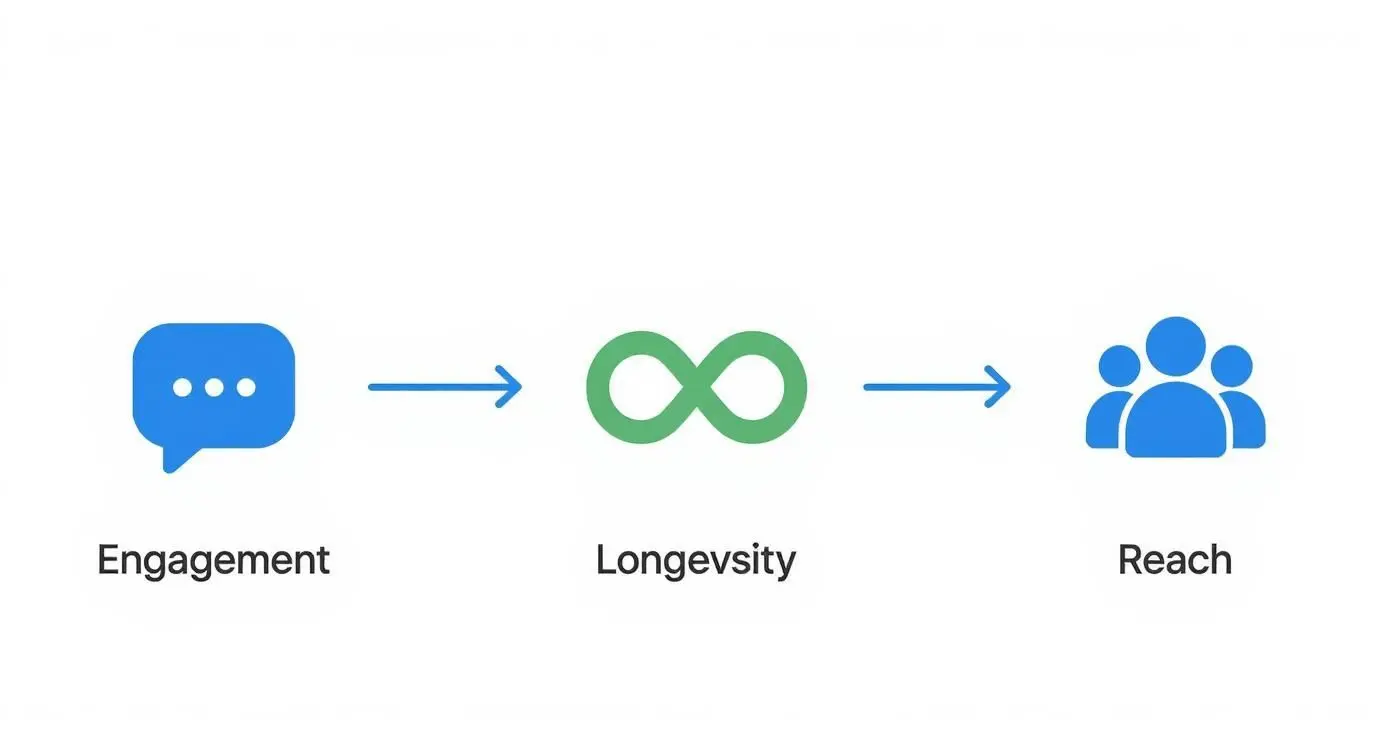
By turning passive viewers into active community members, you create a dedicated fanbase that feels a real sense of ownership over the world you’ve built.
Extending IP Longevity and Revenue Streams
Think of transmedia storytelling as a powerful engine for extending the life and commercial potential of your IP. A single creative universe can support multiple, distinct revenue streams, with each one feeding back into the others.
- •Core Content: This is your anchor, the TV series or film that generates initial revenue and builds the foundational audience.
- •Expansion Content: Things like mobile games, comic books, or web series create fresh ways to monetise while giving existing fans more of the world they love.
- •Merchandising & Licensing: A deep, well-realised world with beloved characters is fertile ground for merchandise, licensing deals, and even real-world, location-based experiences.
This strategic spread doesn’t just increase revenue; it keeps the IP alive and kicking in the minds of your audience, especially between major releases. Our guide to effective transmedia IP development gets into the nuts and bolts of building these roadmaps for sustainable growth.
Reaching Diverse Audience Segments
A multi-platform approach is your ticket to connecting with different audiences on their home turf. Not everyone watches linear TV, plays video games, or reads comic books, but a smart transmedia strategy can find a way to engage them all.
By meeting your audience where they are, you make your story world more accessible and appealing to a much broader range of people. Each platform acts as a unique gateway into the larger narrative universe, massively expanding your overall reach.
This isn’t just a creative flight of fancy; it’s a robust business strategy for building resilient brands in an increasingly fragmented media world. The commercial impact is undeniable. The global transmedia storytelling market was valued at USD 2.47 billion in 2024, reflecting strong growth in which the UK's vibrant media industry plays a major part. You can dive deeper into the market’s growth and tech adoption in this detailed market analysis.
Your Guide to Planning a Transmedia Project
Bringing a sprawling transmedia vision to life takes more than a spark of genius. It demands meticulous planning and a rock-solid strategic foundation. Think of a successful project as a carefully orchestrated symphony of narrative, design, and technology, where every element works in harmony to create one cohesive world for your audience to explore. It all starts with your core story and 'world bible'. This document is the absolute source of truth for your entire project. It's where you'll detail the history, the rules, the character backstories, and the key plot points of your universe. A well-crafted world bible ensures that every team, from animators to app developers, is working from the same playbook, which is crucial for maintaining creative and visual consistency across every platform.
Mapping the Audience Journey
Once your world is defined, the next job is to strategically map out the audience's journey. You have to decide which pieces of the story will live on which platform, and more importantly, why. This isn't about repeating the same content everywhere; it’s about giving each medium a unique and compelling purpose. A 2021 doctoral thesis from the University of Southampton found that transmedia narratives are told across diverse channels where each medium delivers a unique piece of the overall story. The research identified a staggering 14 distinct categories of transmedia stories based on their structural complexity and media diversity, which just goes to show how sophisticated these journeys can become. You can dig into these findings on transmedia structures yourself. This means you need to ask some critical questions:
- •What's the entry point? Where will most people first encounter this world? This is usually your core narrative, like a TV series or a film.
- •How will they explore deeper? What platforms will you use for world-building and expansion? A mobile game could be perfect for interactive lore, while a podcast might explore a character’s hidden past.
- •How can they participate? Where can the audience actually interact with the story? This could be an in-character social media account or even an Alternate Reality Game (ARG) that pulls them into real-world action.
The Art of Leaving Narrative Gaps
An advanced bit of transmedia planning involves what's known as 'negative capability', the art of intentionally leaving gaps in the narrative. These aren't plot holes; they're invitations. You deliberately create these spaces for other media to fill in, or even for the audience to speculate about and contribute to, which fosters a much more active and engaged community. For instance, a character's mysterious disappearance in the main TV series could be fully explained in a spin-off comic book. This technique brilliantly rewards your most dedicated fans for their exploration and makes each piece of content feel truly essential. It’s a powerful tool for driving people between your different platforms.
Avoiding Common Production Pitfalls
Even the best-laid plans can go wrong. Two common pitfalls often derail transmedia projects, and it pays to be aware of them from the outset. The first is creating disconnected experiences, where each platform feels like a separate, standalone project rather than a piece of a larger puzzle. This is usually a symptom of a weak world bible and poor communication between teams. The second major pitfall is underestimating the resources required. Managing a multi-platform narrative is a complex beast that demands a significant investment in time, budget, and specialised talent. Having a clear understanding of how to manage complex pipelines, like those involved in creating augmented reality experiences, is vital. By getting ahead of these challenges, you can position your transmedia project for success right from the start.
Frequently Asked Questions
Even after diving deep into a topic like this, a few questions always pop up. It’s a good sign , it means you’re already thinking about how these ideas apply to your own projects. Let's tackle some of the most common ones we hear.
What's the Difference Between Transmedia Storytelling and a Media Franchise?
This is a great question because the two can look similar on the surface. Think of it this way: a media franchise typically adapts one core story for different platforms. A book gets made into a film, which then gets turned into a video game. It’s the same basic narrative, just retold in a new format. Transmedia storytelling, on the other hand, tells a single, sprawling story that’s intentionally broken up across multiple platforms. Each piece is unique and essential. You might follow a character on Twitter, watch the main series on TV, and play a mobile game that fills in crucial backstory. You need to jump between them to get the complete picture, whereas a franchise usually lets you experience the whole story in one place.
How Do You Measure the ROI of a Transmedia Project?
Measuring the return on a transmedia project isn't about looking at one simple number. It's a multi-layered process. You absolutely have to track the direct metrics from each platform , views on your animated series, engagement on social channels, downloads for your app, and sales of any physical products. But the real magic is in the less tangible metrics. You’re also measuring audience loyalty, brand sentiment, and how "sticky" your world becomes. True success is seen not just in the revenue from each piece, but in the long-term growth of your IP's value and the passionate community that forms around it.
Do I Need a Big Budget to Create a Transmedia Story?
Absolutely not. The core principles of transmedia can be scaled to fit almost any budget. It's more about smart, creative thinking than deep pockets. A small brand could launch a story on their blog, then expand the world through a character's Instagram account, and add another layer with a low-cost podcast.
The secret is strategic planning. Every platform choice must add something new and valuable to the story. It’s about being coherent and creative, not just being everywhere at once. Quality over quantity.
This flexibility makes transmedia a seriously powerful tool for creators and brands of all sizes, levelling the playing field for anyone with a great story to tell. Ready to build a narrative world that captivates your audience across every platform? Studio Liddell has been developing immersive IPs with animation, apps, and XR experiences since 2019. Let's map out your story's future together. Book a production scoping call